When Do Northeast China's Autumn Colors Peak? Changbai, Benxi Maples and Red Beach in One Trip
Published 2026-09-14 · Updated 2026-09-21 · Itineraries
TL;DR
A: Northeast China's autumn rivals Kyoto and northern Xinjiang but lasts only about 20 days, peaking right at National Day (early October). The classic loop: Changbai Mountain (Heaven Lake + waterfall + underground forest, 2-3 days) → Benxi maple country by rail (Guanmen Mountain, China Maple Avenue, Laobiangou, 2 days) → Panjin Red Beach day trip → Yanji/Tumen border towns. Fly into Changchun or Shenyang, out of the other, and book mountain-area lodging early — the whole region leaves at once.
Why visit Northeast China in autumn?
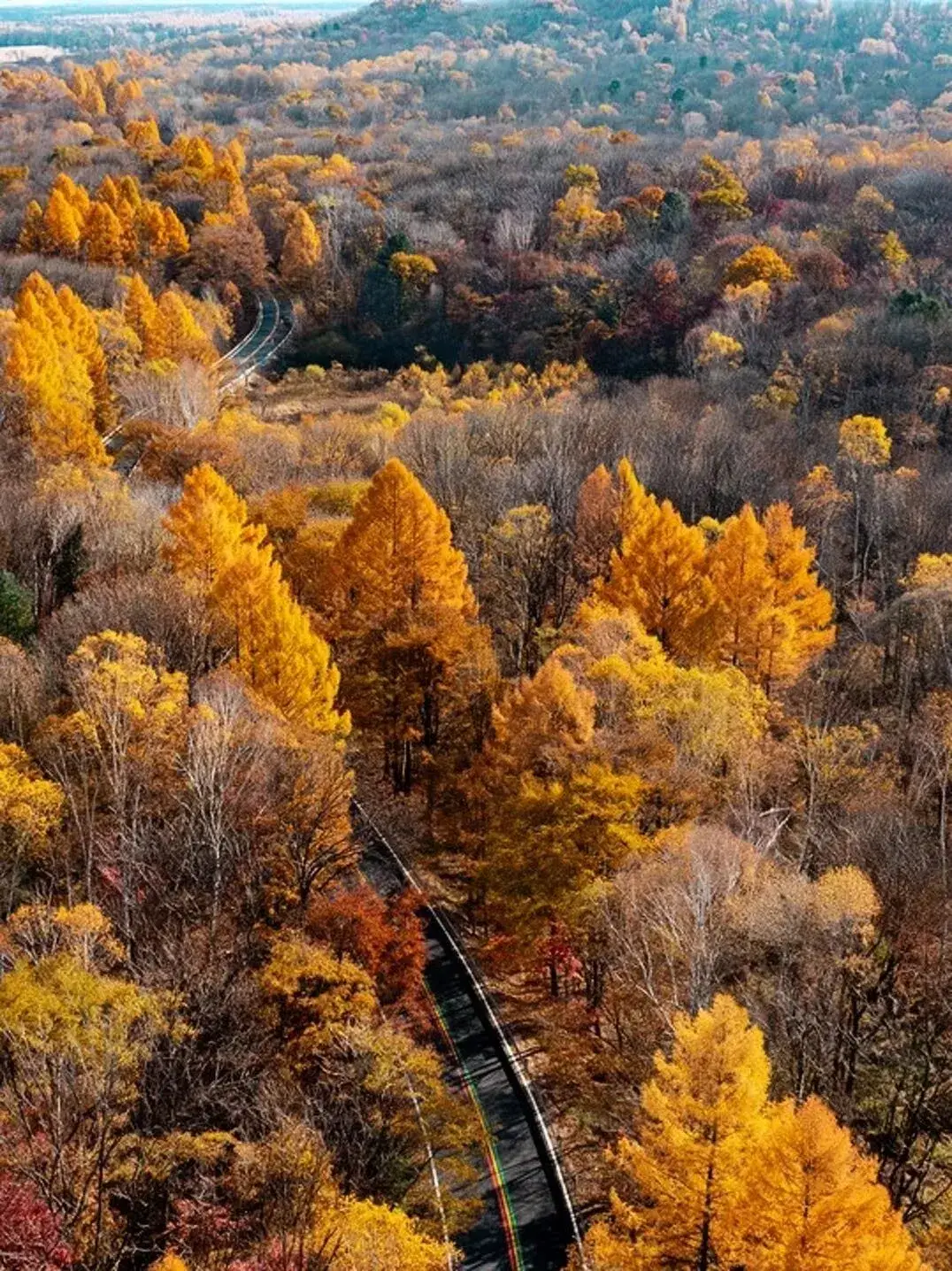
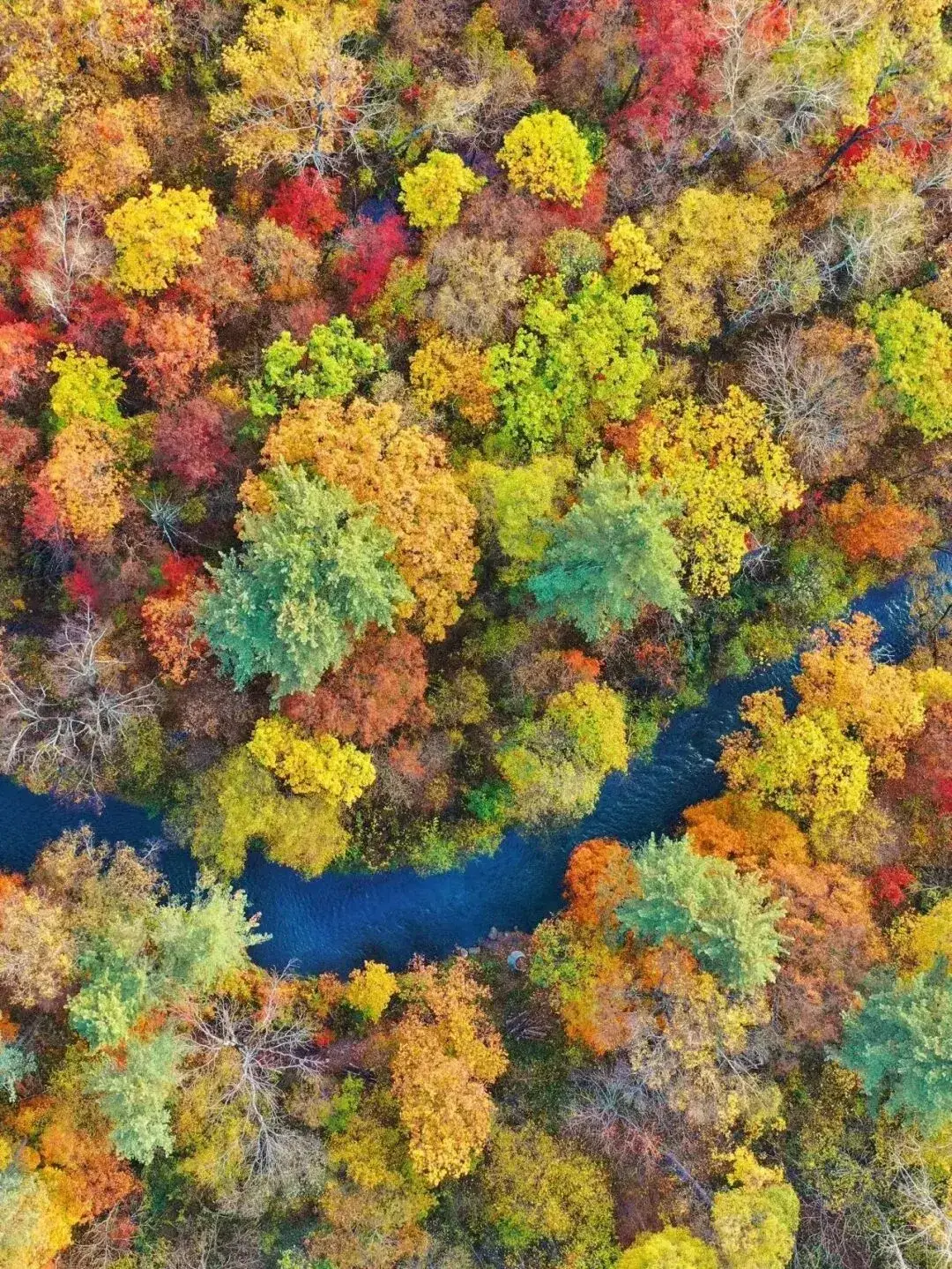
Most travelers picture the Northeast (Dongbei) under snow. But for roughly three weeks — late September to mid-October, peaking exactly at the National Day holiday — the region stages one of Asia’s most intense foliage displays: maple seas across the Liaodong valleys, golden birch and larch around Changbai Mountain, crimson seepweed wetlands on the Bohai coast, and blue-green Korean-border rivers running through it all.
The color comes in five interwoven layers rather than a single shade of gold: luminous birch gold, fiery maple crimson, the year-round deep blue of Heaven Lake, ochre alpine meadows, and wine-red coastal mudflats.
The window is short and the region is large. Everything below is built around that constraint.
What are the five stops that matter?
1. Changbai Mountain (Jilin) — the sacred mountain. A volcano on the China–North Korea border whose crater lake, Heaven Lake, is at its clearest in autumn. Vertical vegetation belts stack the colors: layered forests at the foot, ochre tundra on the slopes, dark pines at the summit.
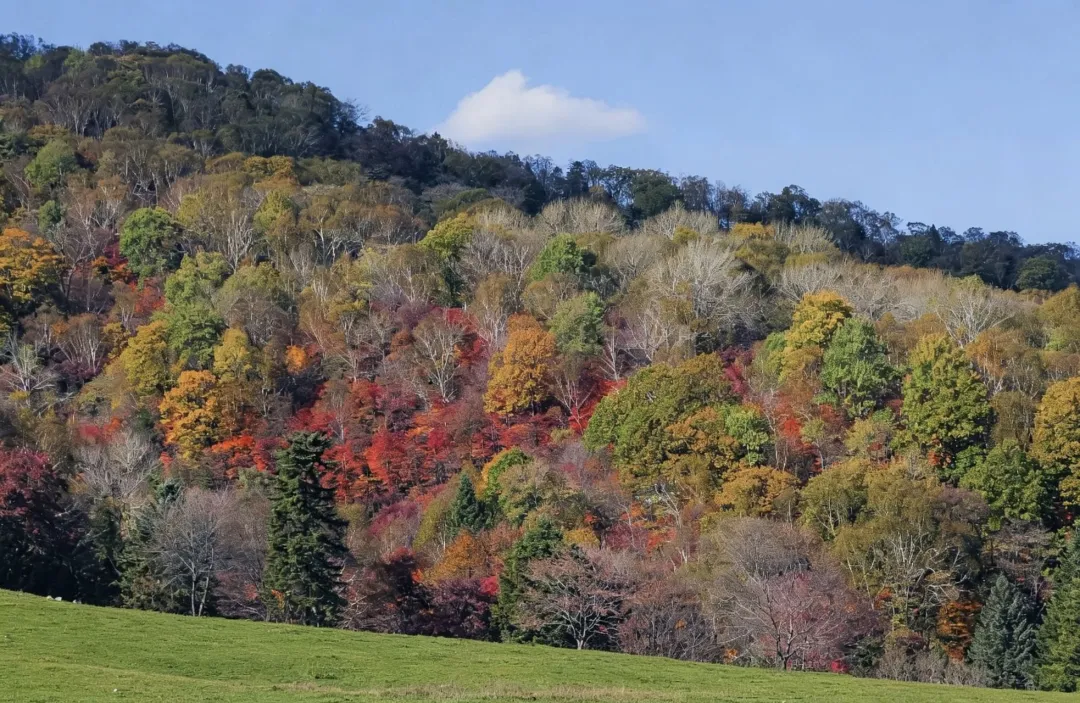
2. Huashan Valley — the gentle gorge. Mixed woods change color in sequence — pale yellow, orange-gold, crimson, deep green — rolling to the horizon, with alpine meadows above.
3. Guanmen Mountain (Benxi, Liaoning) — maple country. The local saying: “once you’ve seen Guanmen’s maples, no others compare.” Longmen Gorge stacks a thousand reddening maples, and the five-color lake mirrors them all.
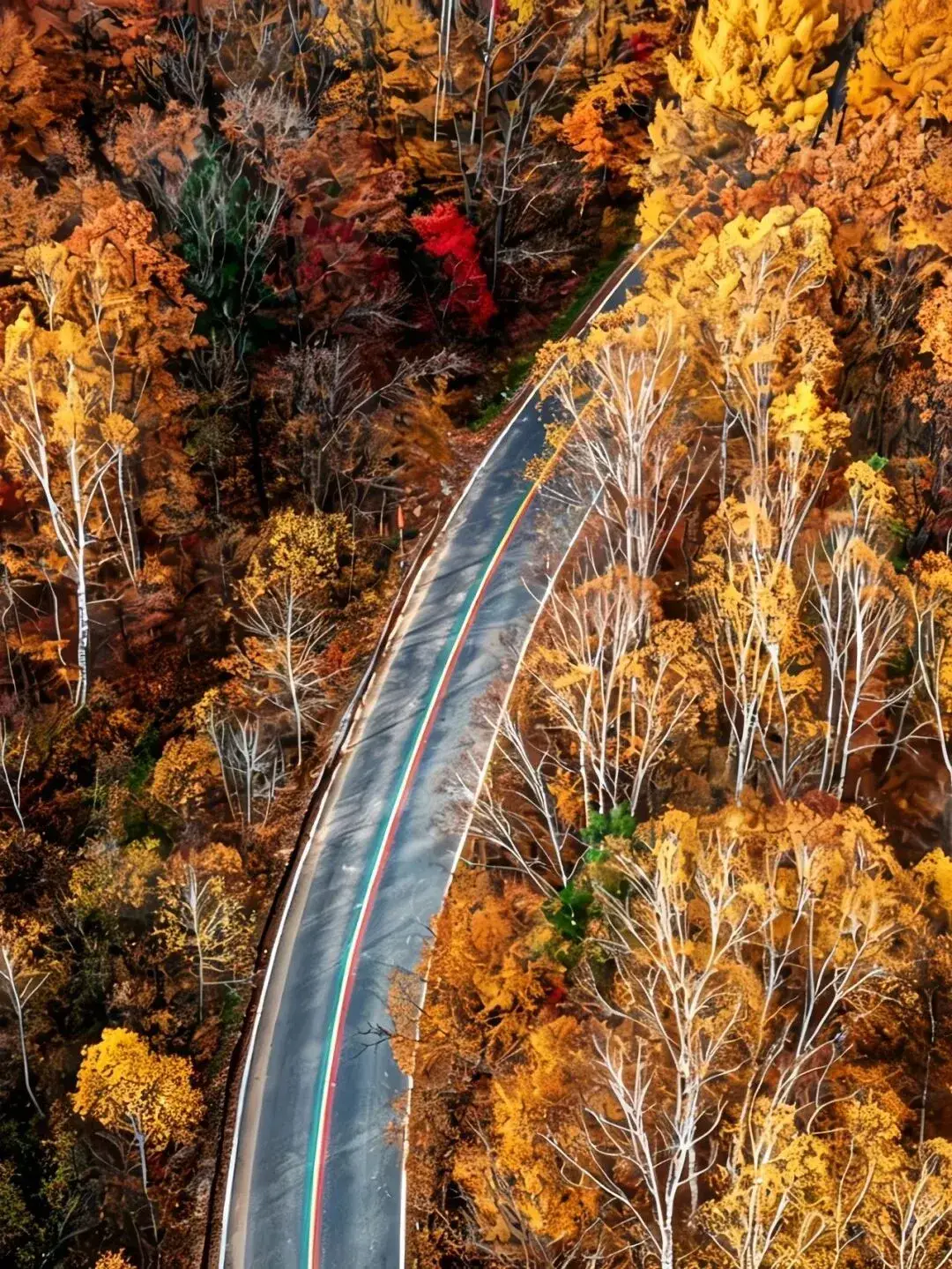
4. China Maple Avenue + Laobiangou — the drive and the hideaway. A mountain road through ten thousand acres of red maple (sit in the car while the car drifts through a painting), and a stream-valley forest where red leaves meet jade water.
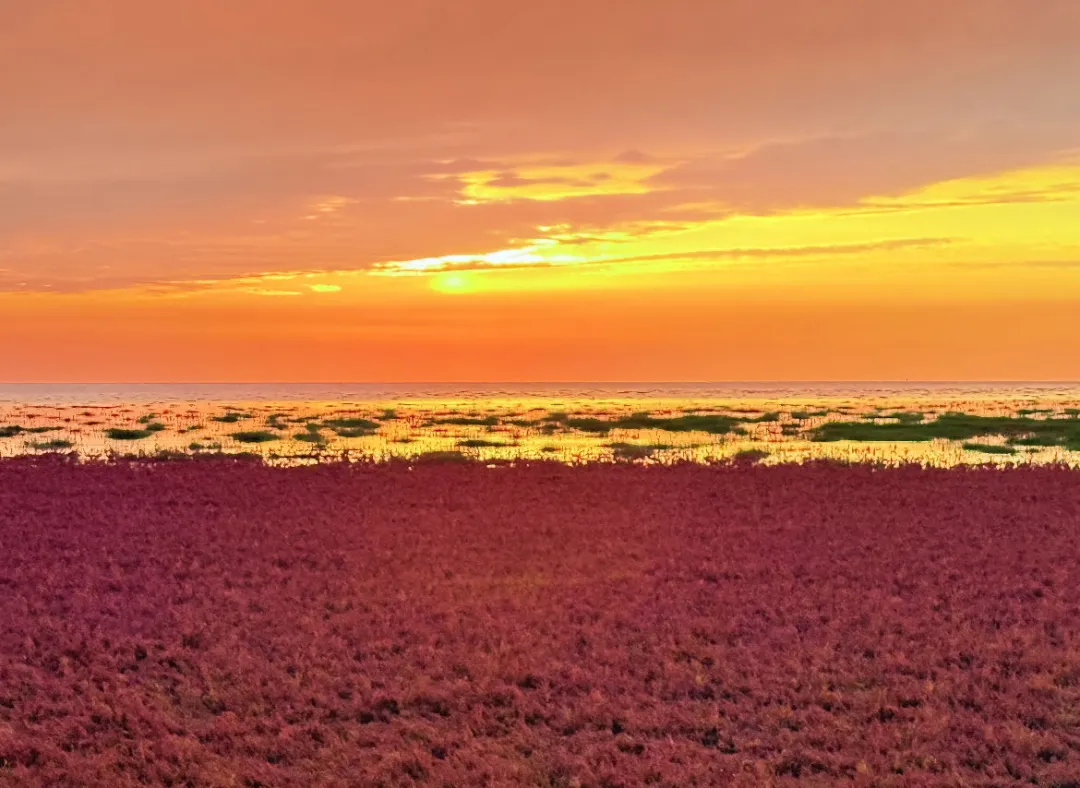
5. Red Beach (Panjin) — the crimson coast. Seepweed wetlands that turn fierce red in deep autumn, gold rice paddies across the water, reeds and waterbirds between.
Chapter 1 — What is Changbai Mountain like in autumn?
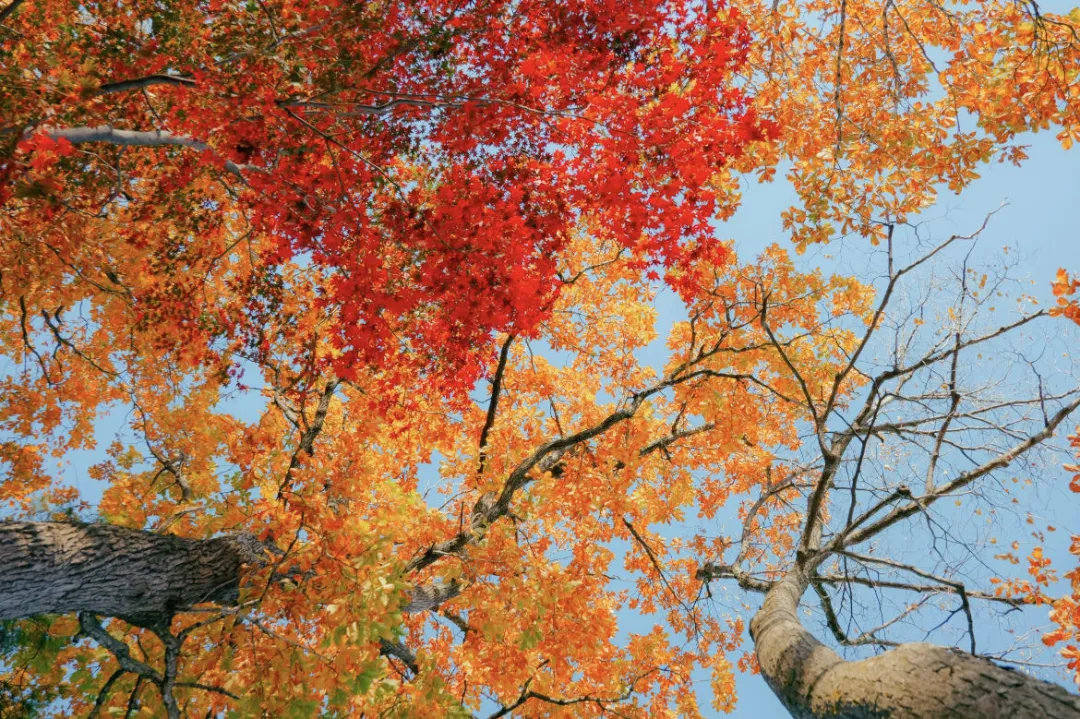
If the Northeast’s autumn has a final home, it is Changbai in deep autumn. The vegetation forms a natural color gradient: forests layer upon layer at the base, tundra blending to ochre mid-mountain, unchanging dark pines at the top.
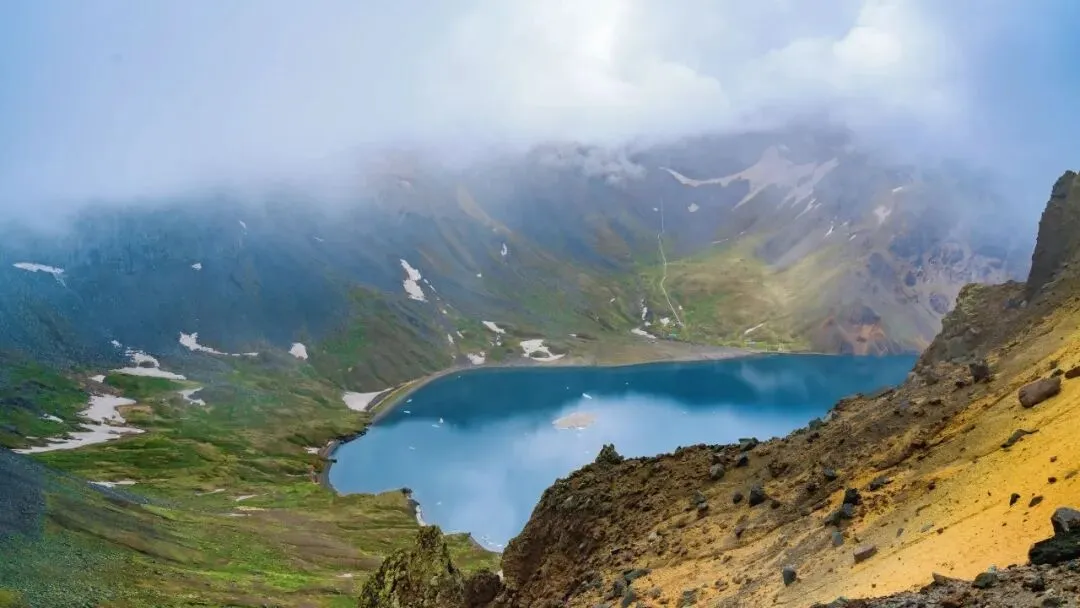
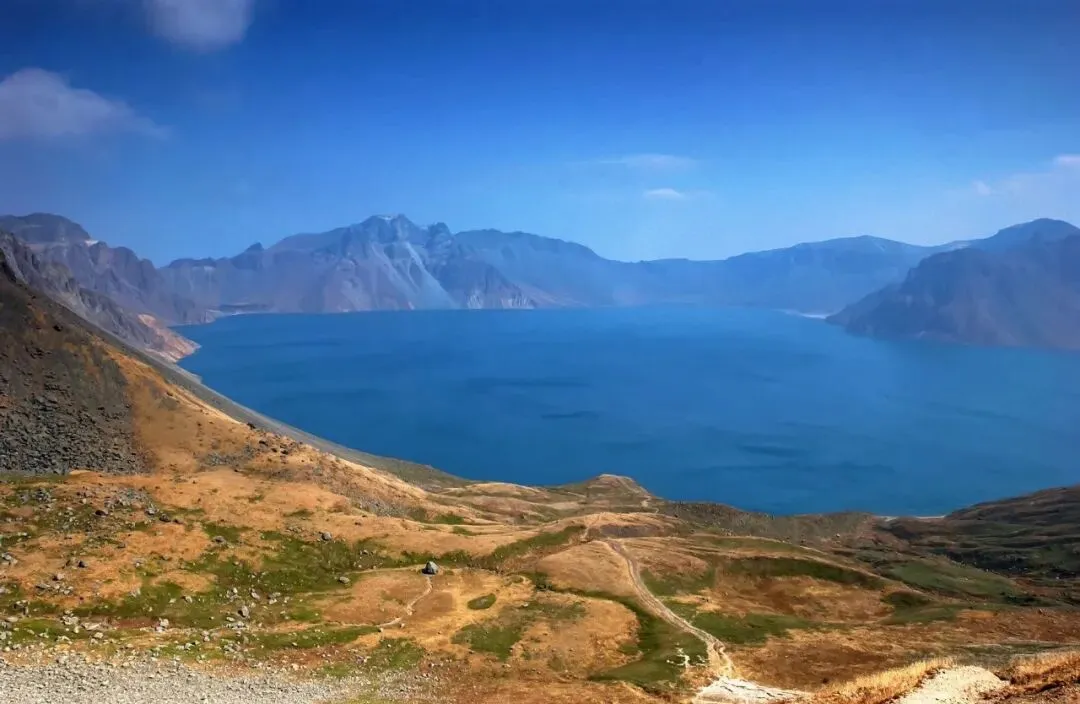
Heaven Lake
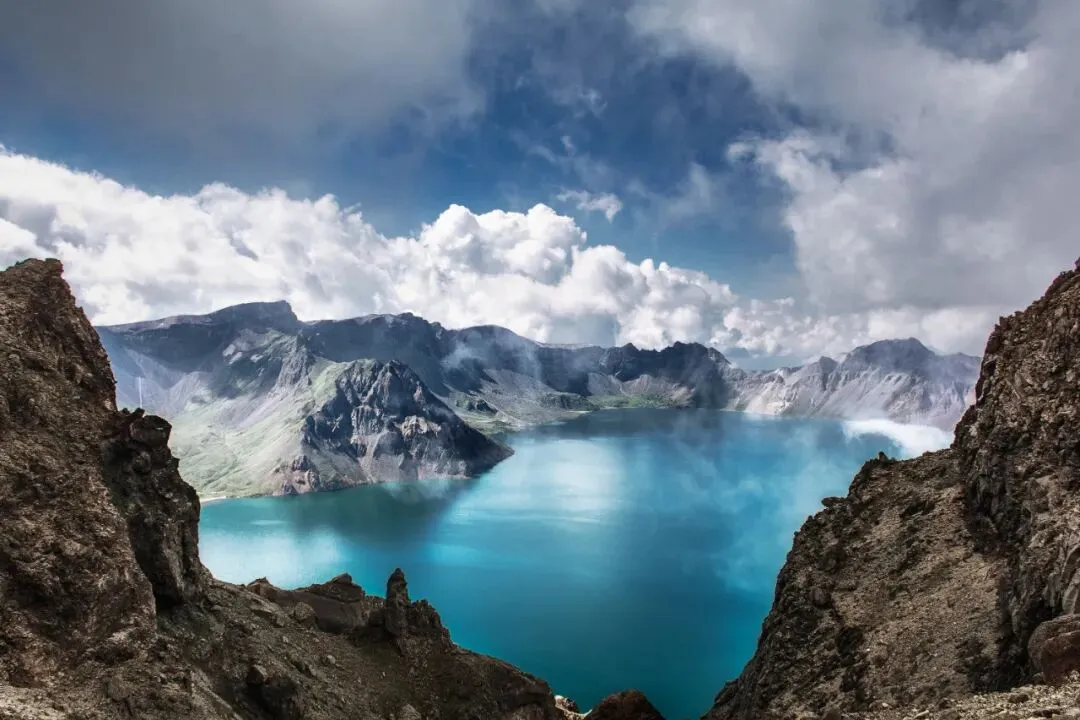
Autumn is when Heaven Lake is at its clearest. The jade-blue crater lake sits still among peaks already steeped in color — hills vivid, water serene, sky crystalline.
Changbai Waterfall
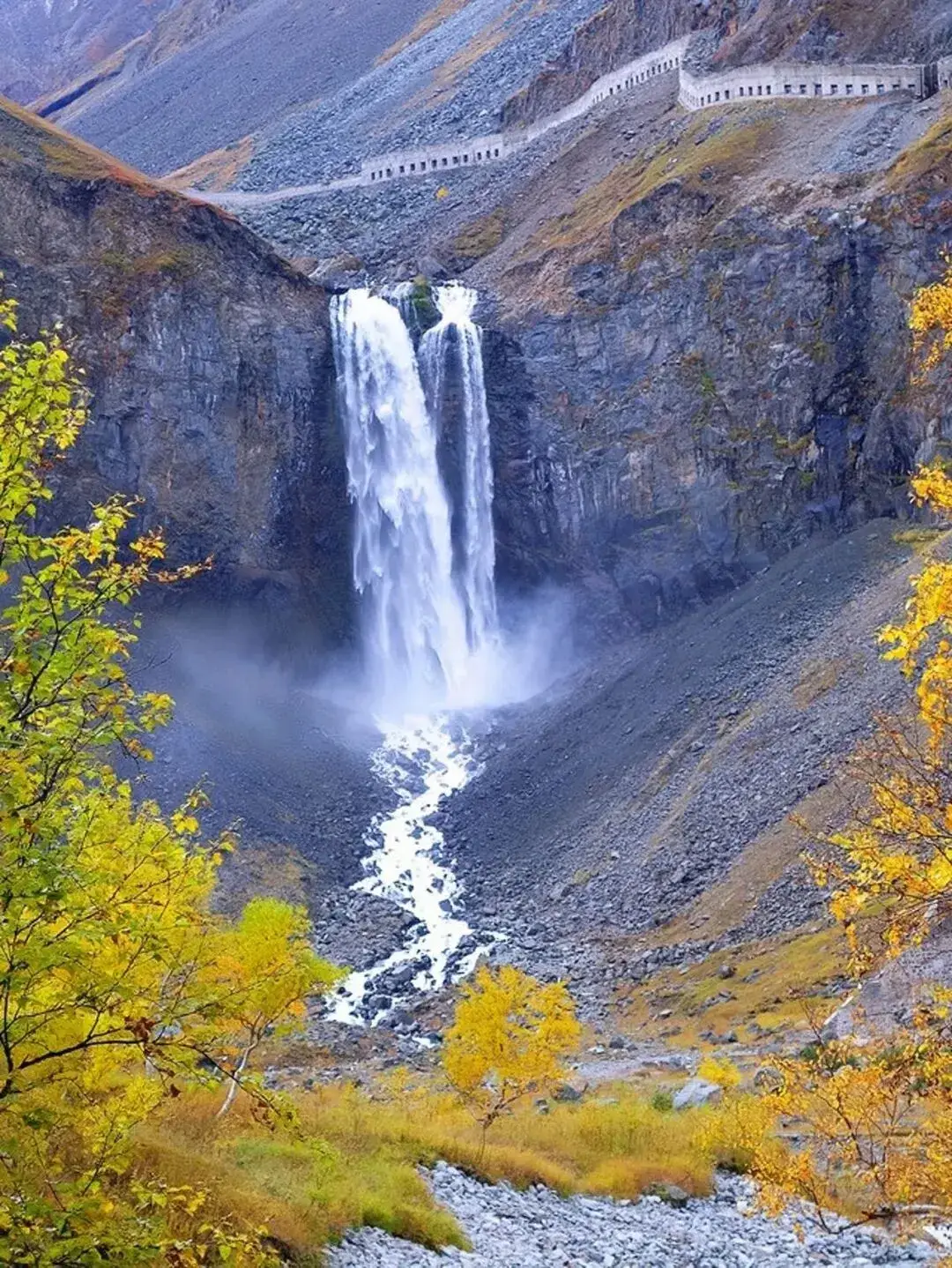
Past the rainy season, the waterfall takes on a crisp, cold grandeur — a white ribbon down the cliff, water shattering on rocks, the liveliest sound in the valley.
Green Deep Pool
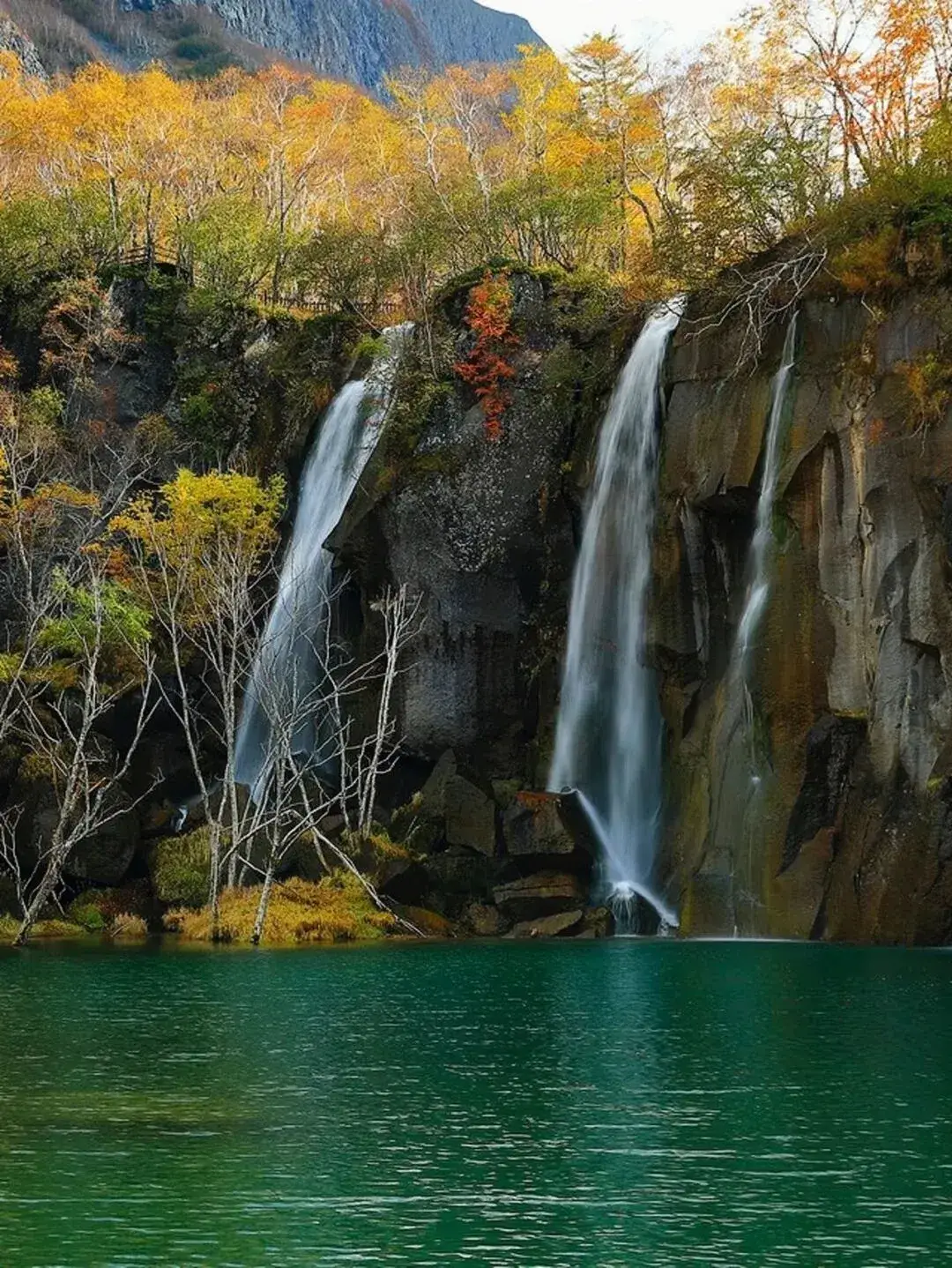
A stroke of hidden, secluded blue: translucent water ringed by colorful forest, yellow leaves dropping all around, red maples shading the banks.
The Underground Forest
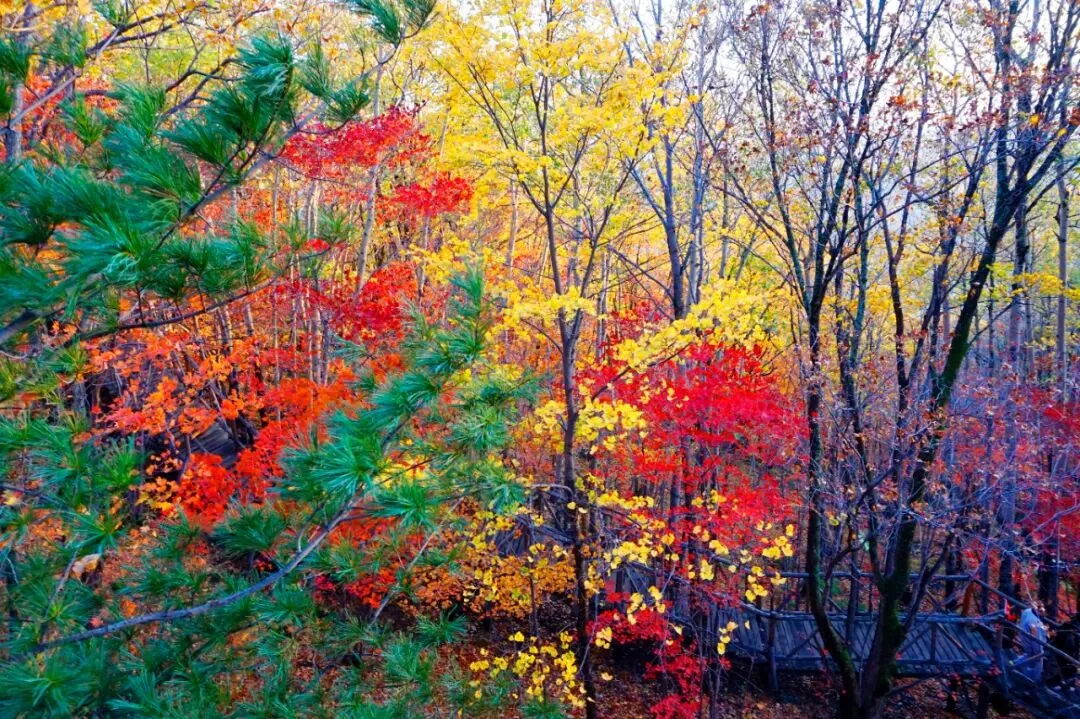
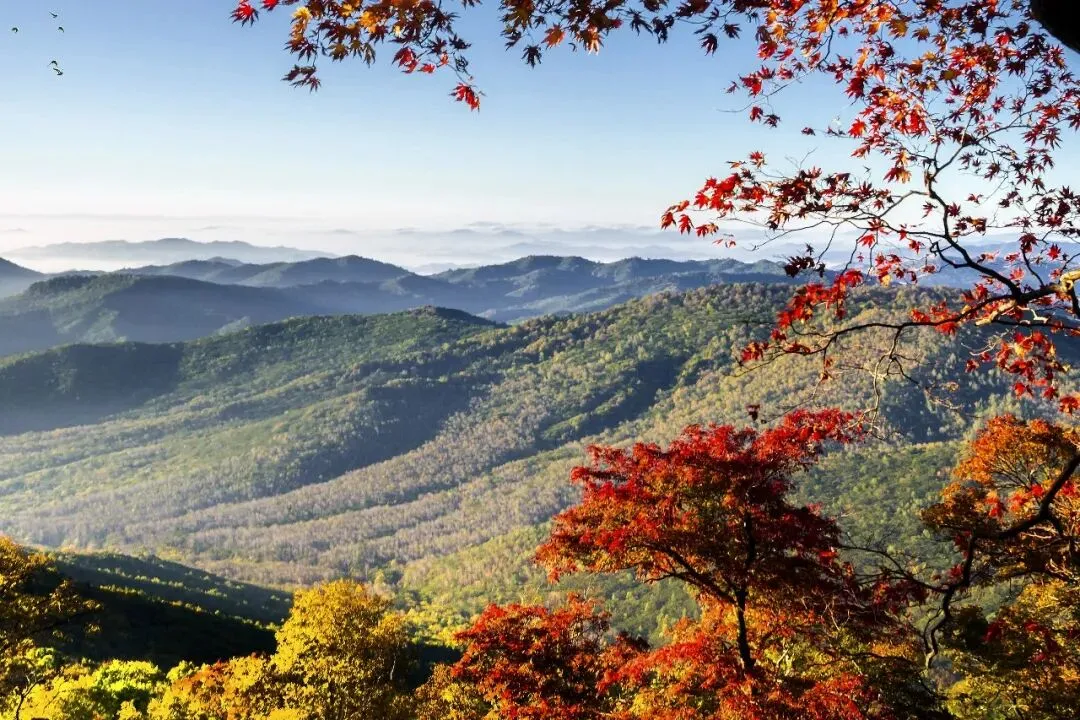
Ancient trees soar from the valley floor; sunlight filters through layer after layer of branches. Standing in it feels like stumbling into a secluded autumn fairy tale.
Chapter 2 — Where is China’s best autumn maple road?
Huashan Valley
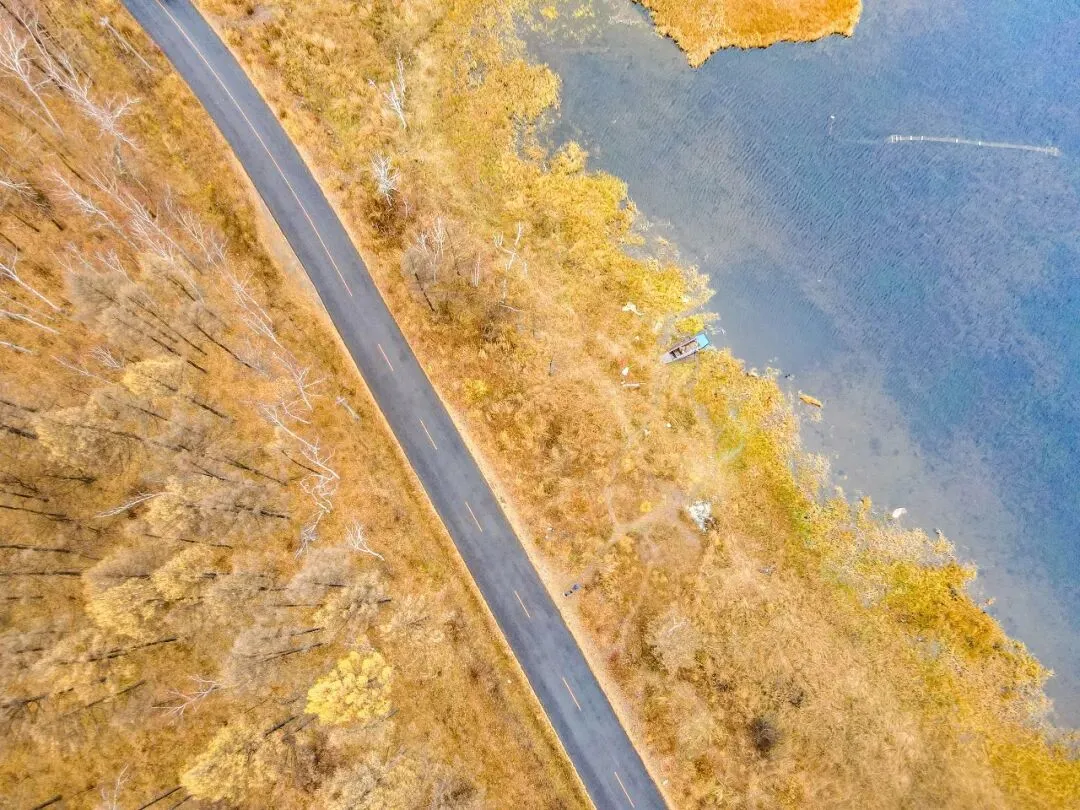
Where maple forests are fervent, Huashan shows autumn’s relaxed side: mixed woods changing in sequence, colors layering along the mountains to the horizon.
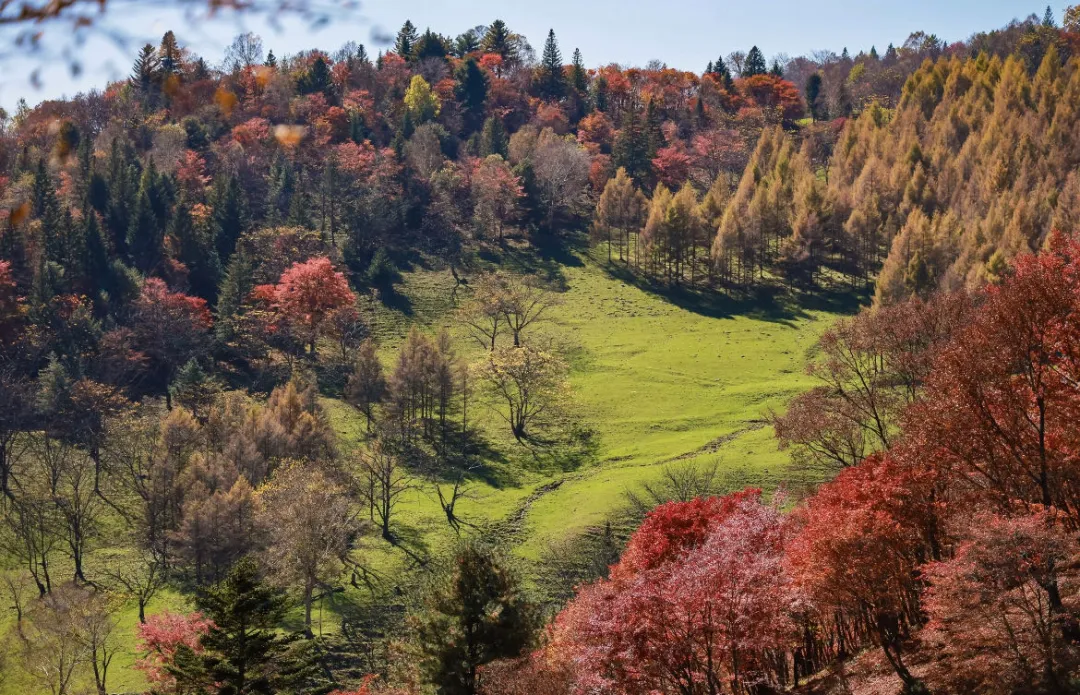
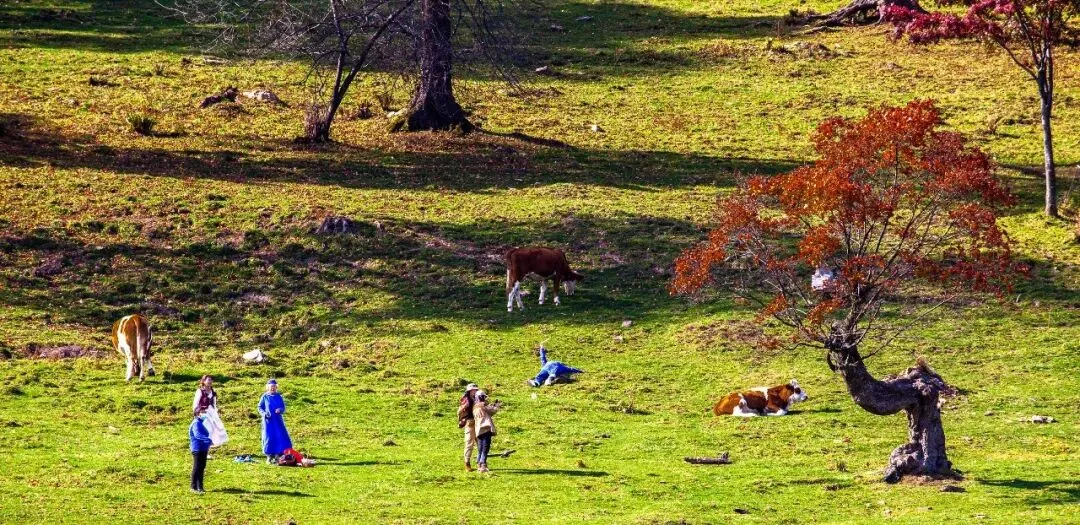
Higher up, the alpine meadows are another scene entirely — vast, unhurried, tranquil.
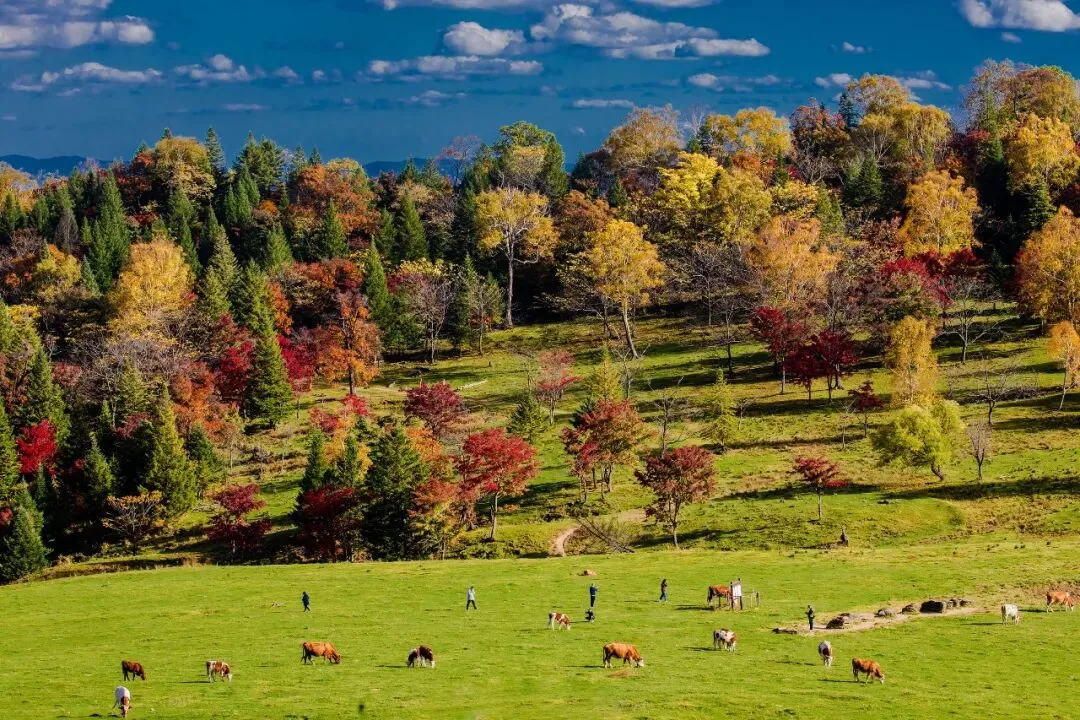
Guanmen Mountain, Benxi
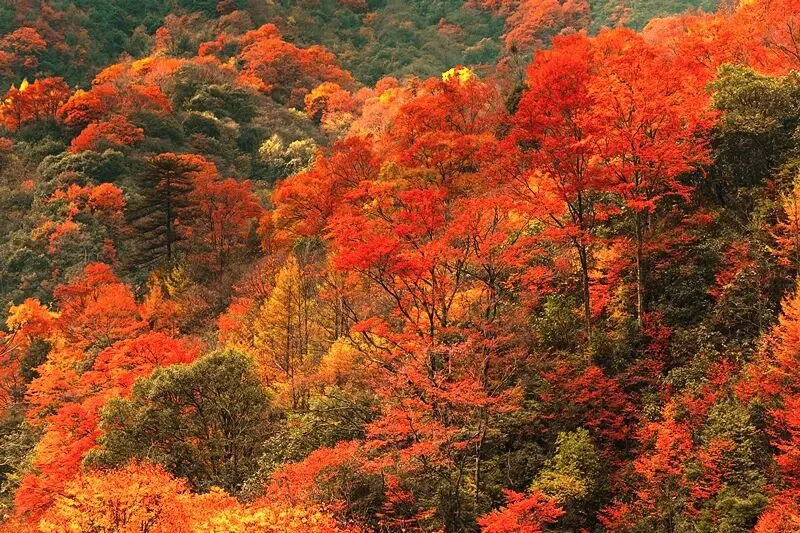
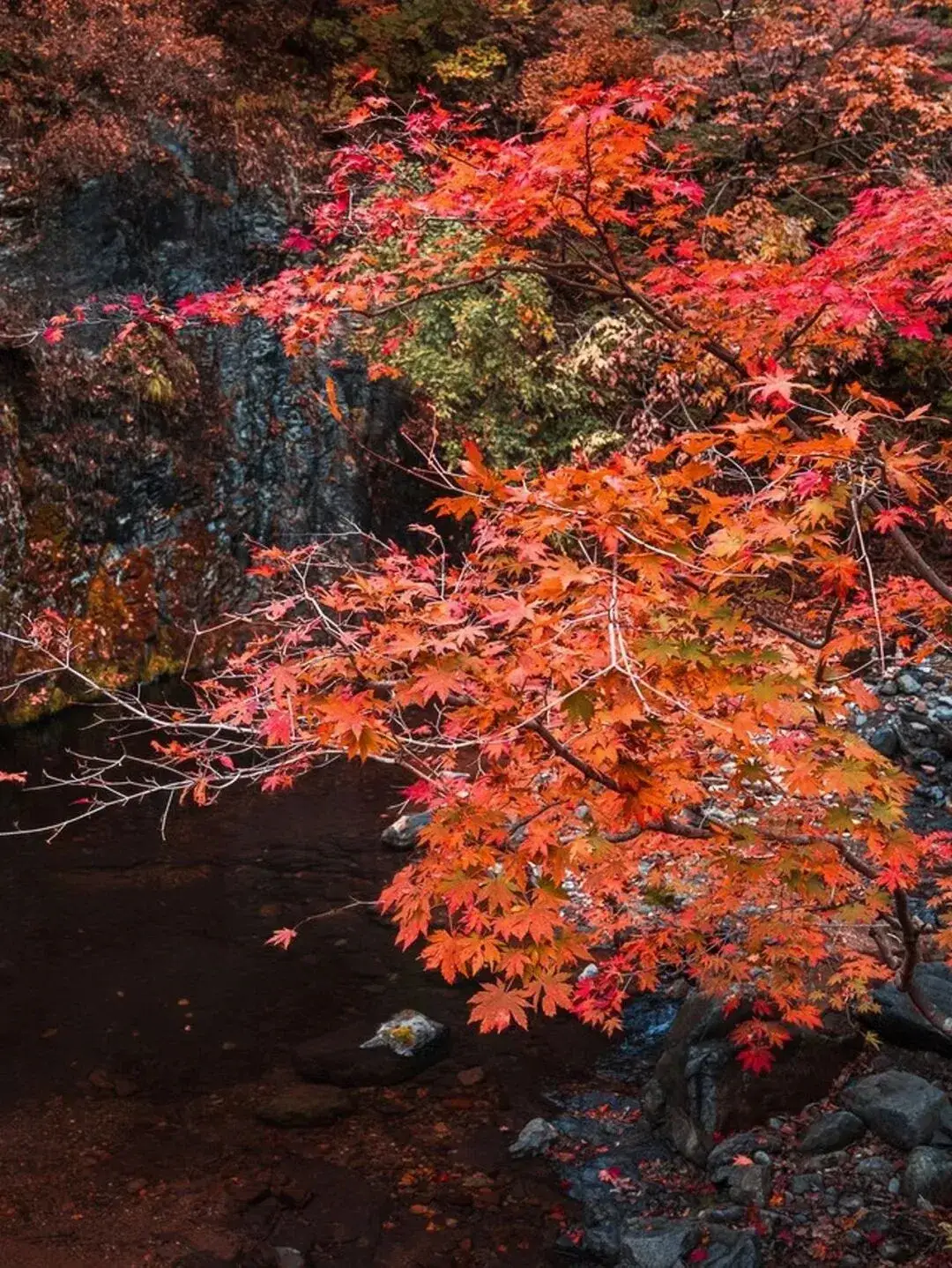
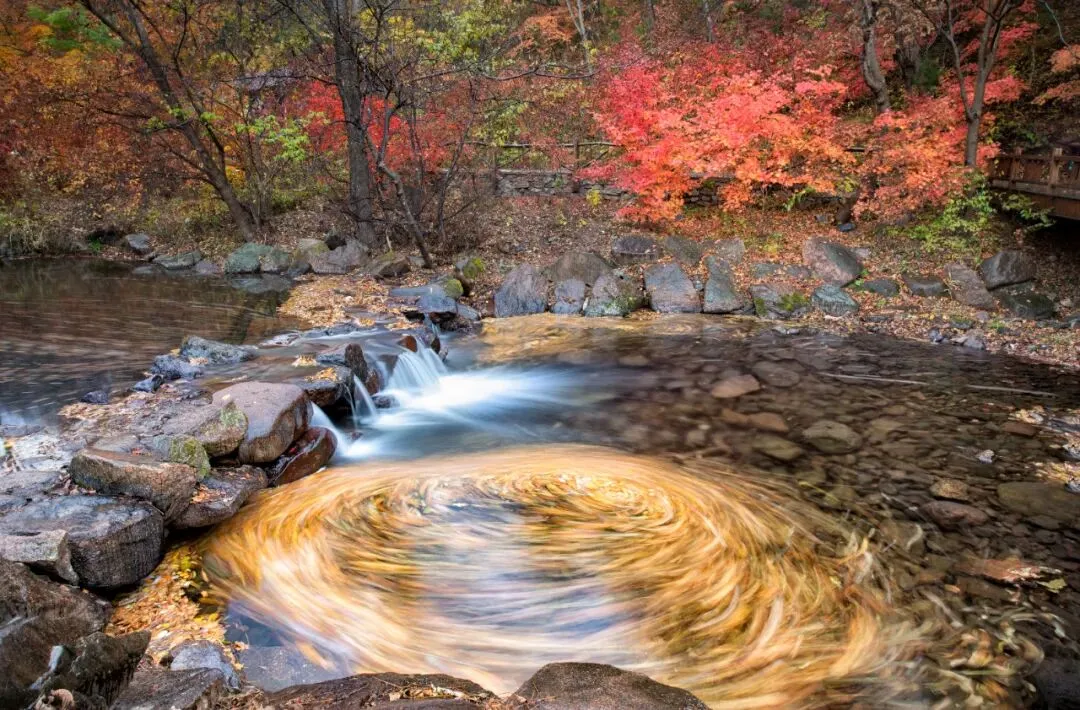
At frost’s descent the wind dyes the whole mountain through. On both sides of Longmen Gorge the ridges stack high, a thousand maples reddening in turn.
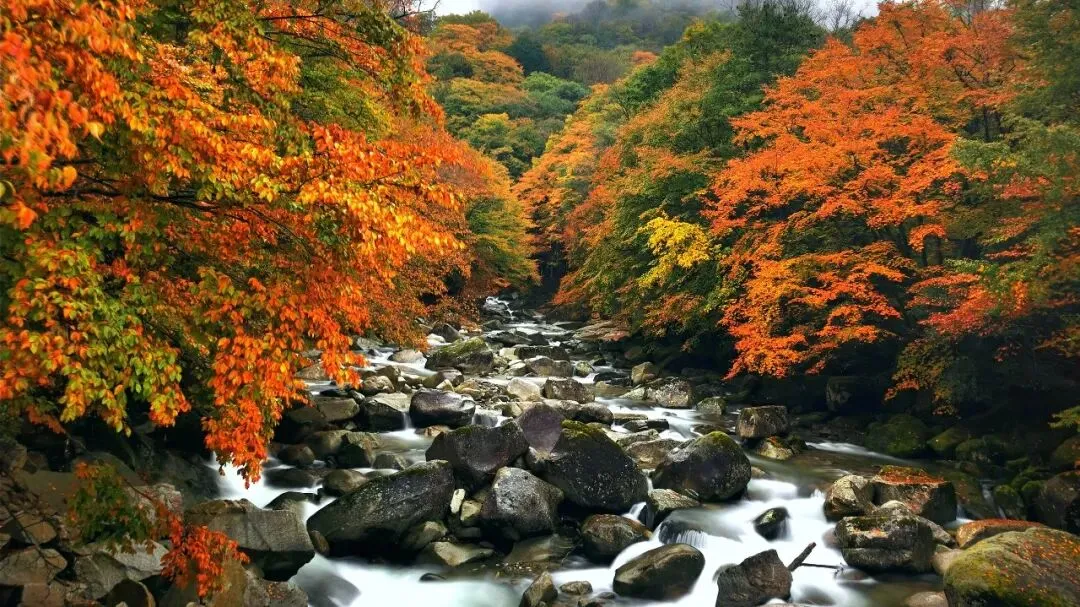
The soul of Guanmen hides in its five-color water: red maples, golden birches and green pines reflected whole on jade ripples.
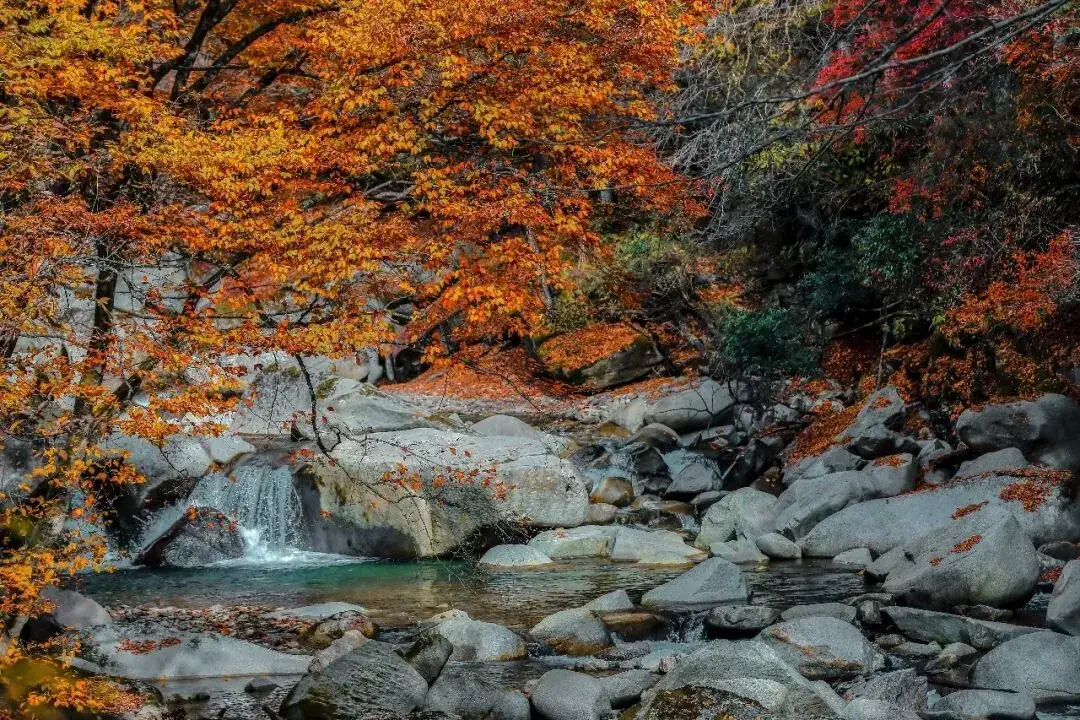
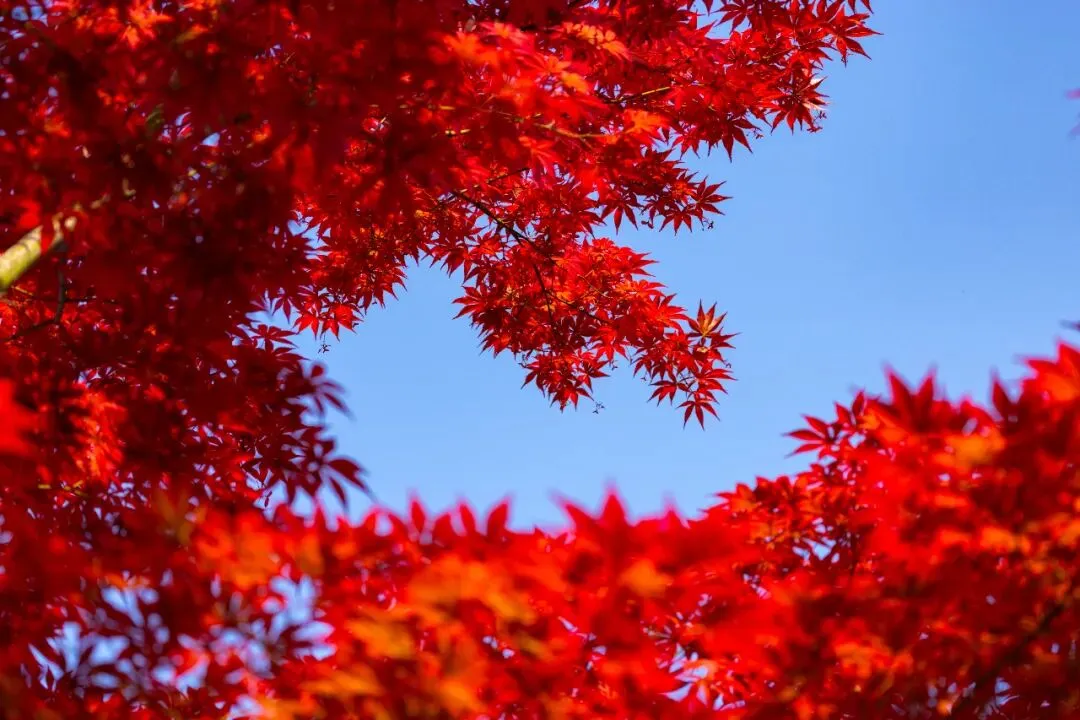
China Maple Avenue
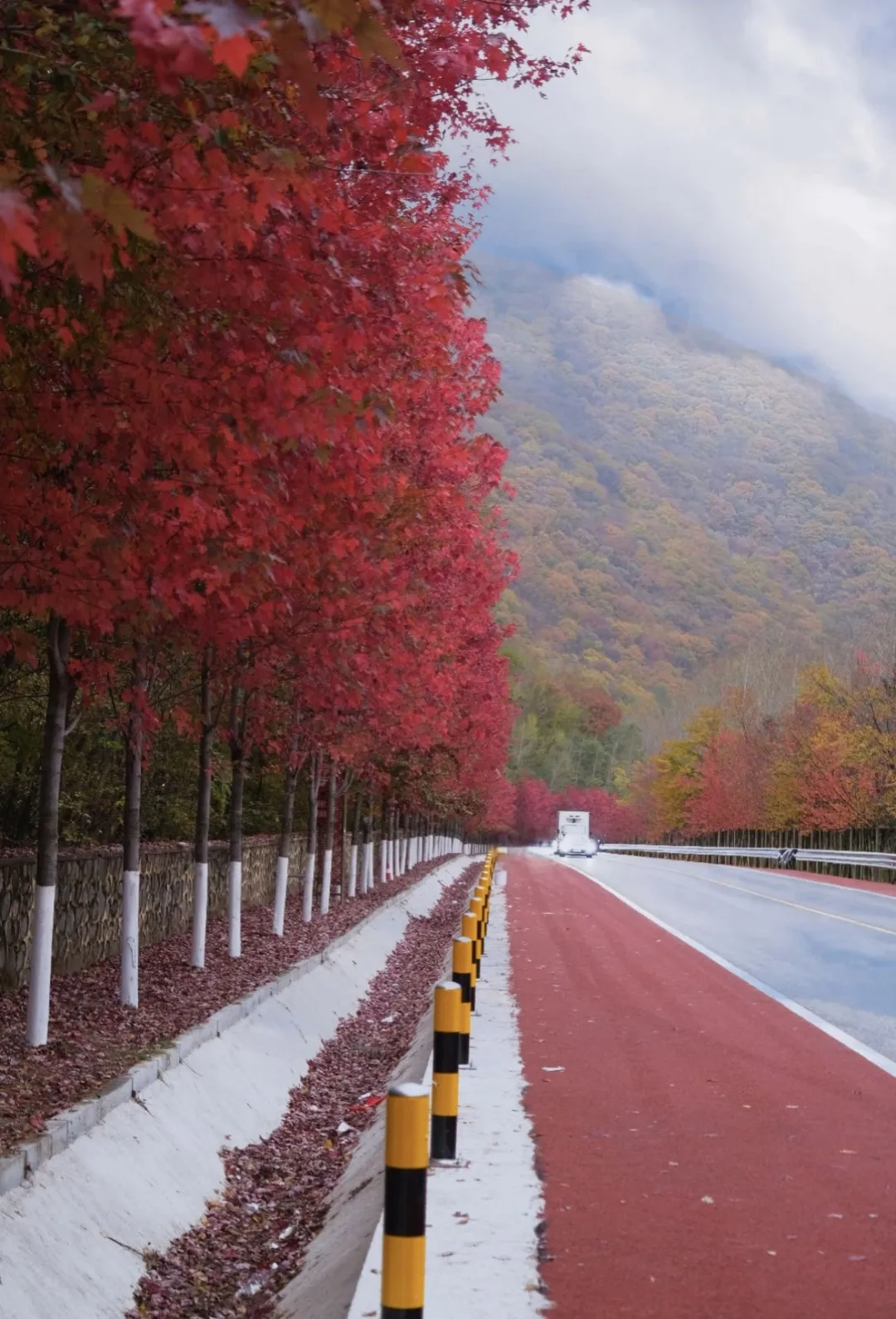
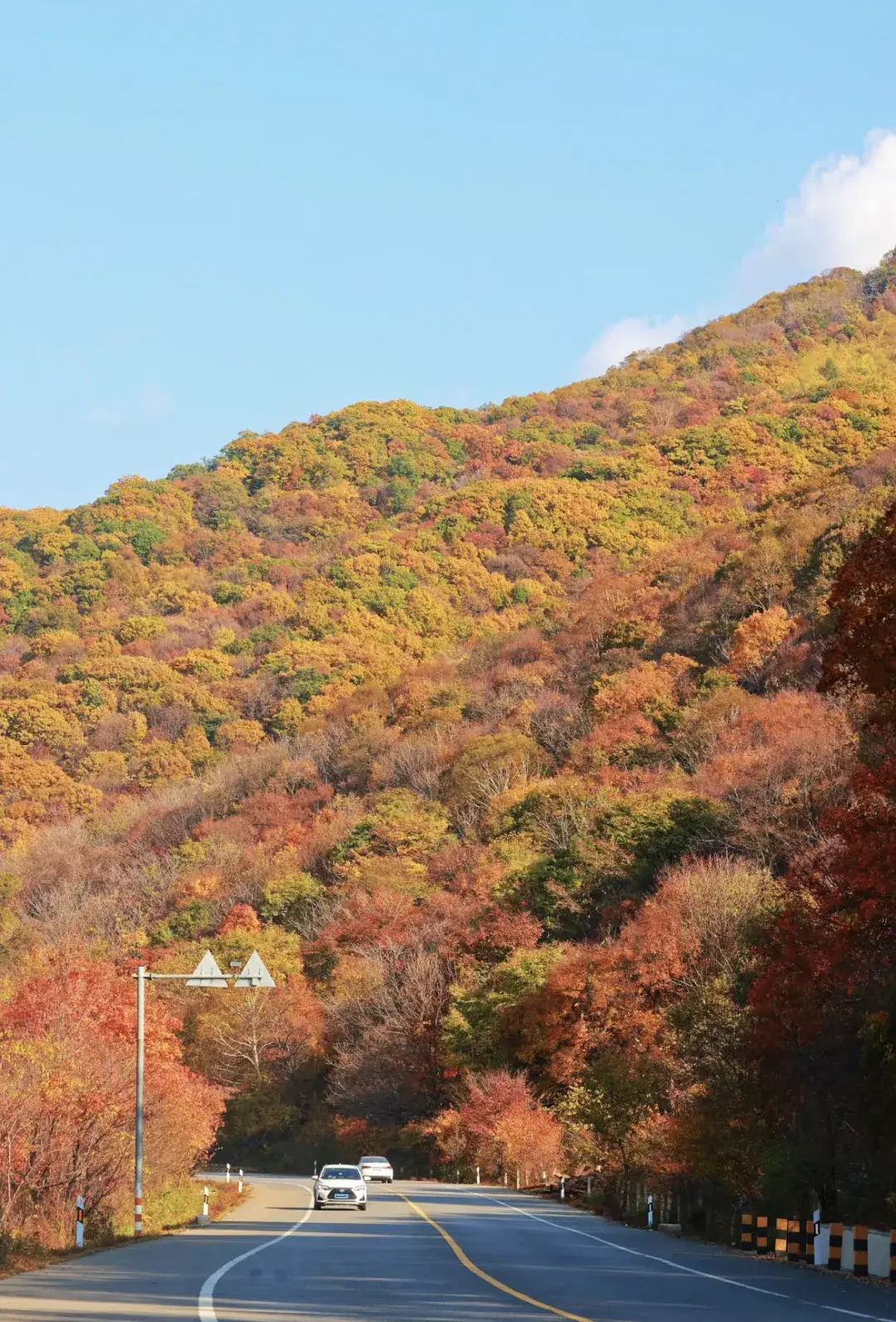
Liaodong’s most romantic deep-autumn passage: the road winding between ranges and seas of forest, hills on both sides steeped in ten thousand acres of red maple.
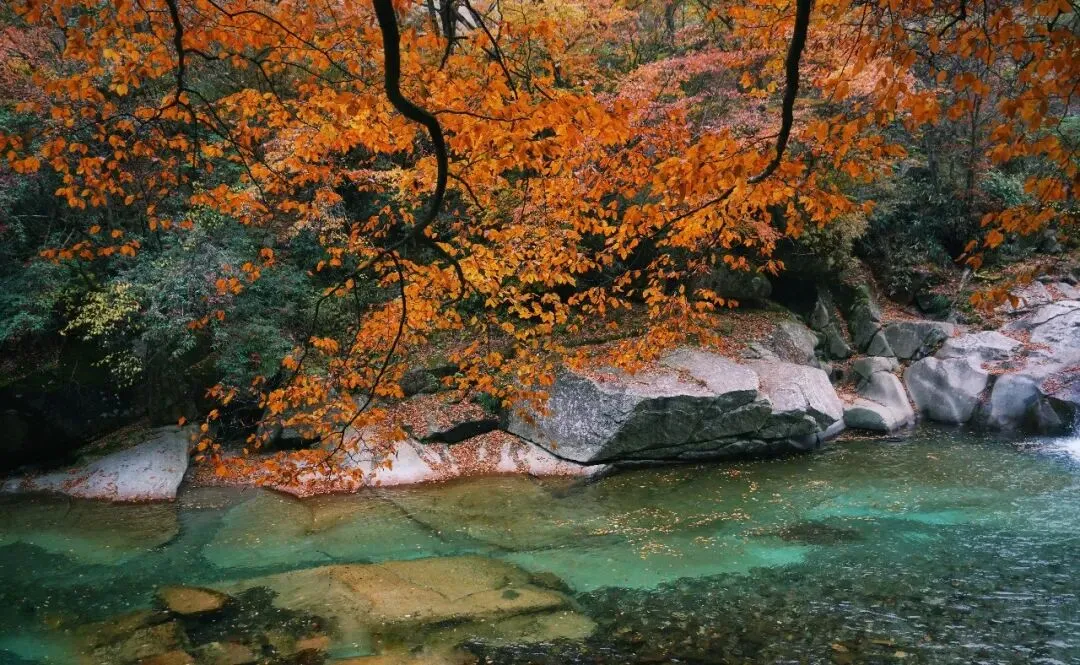
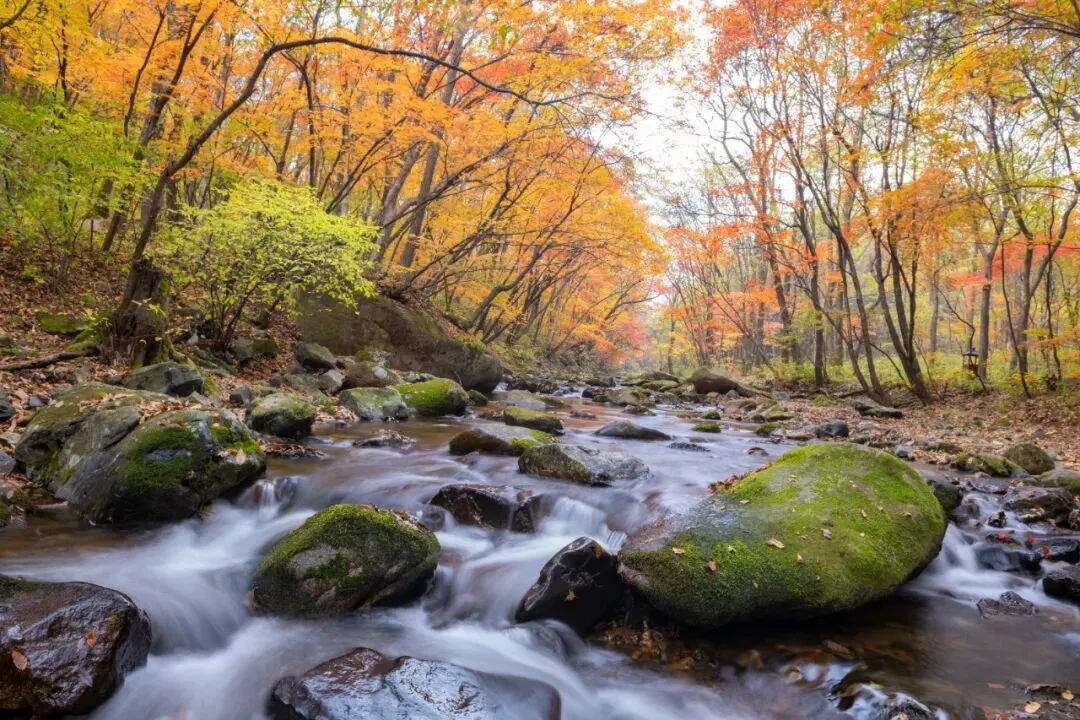
Laobiangou
The most secluded maple-and-stream hideaway: a stream valley running through the whole forest, red maples, jade water, curious rocks and quiet forest setting one another off.
Red Beach, Panjin
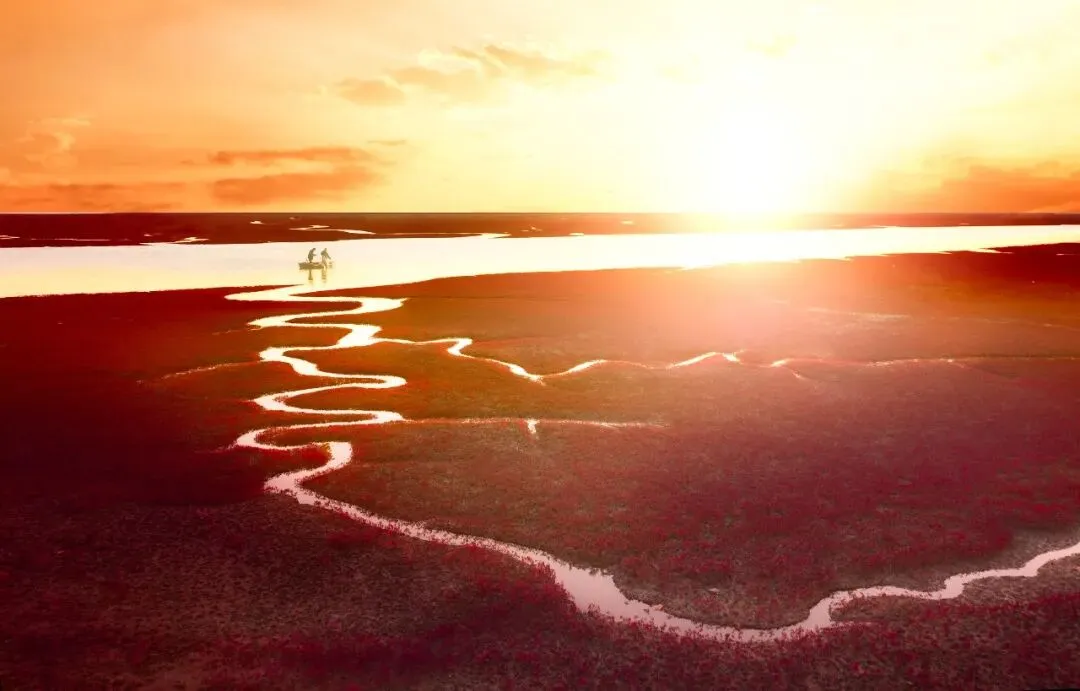
On the Bohai coast, fields of seepweed turn fierce crimson in deep autumn — ten thousand acres of red between the blue sea, reeds swaying, waterbirds dancing.
Chapter 3 — What are the Korea-border towns like?
Tumen Port
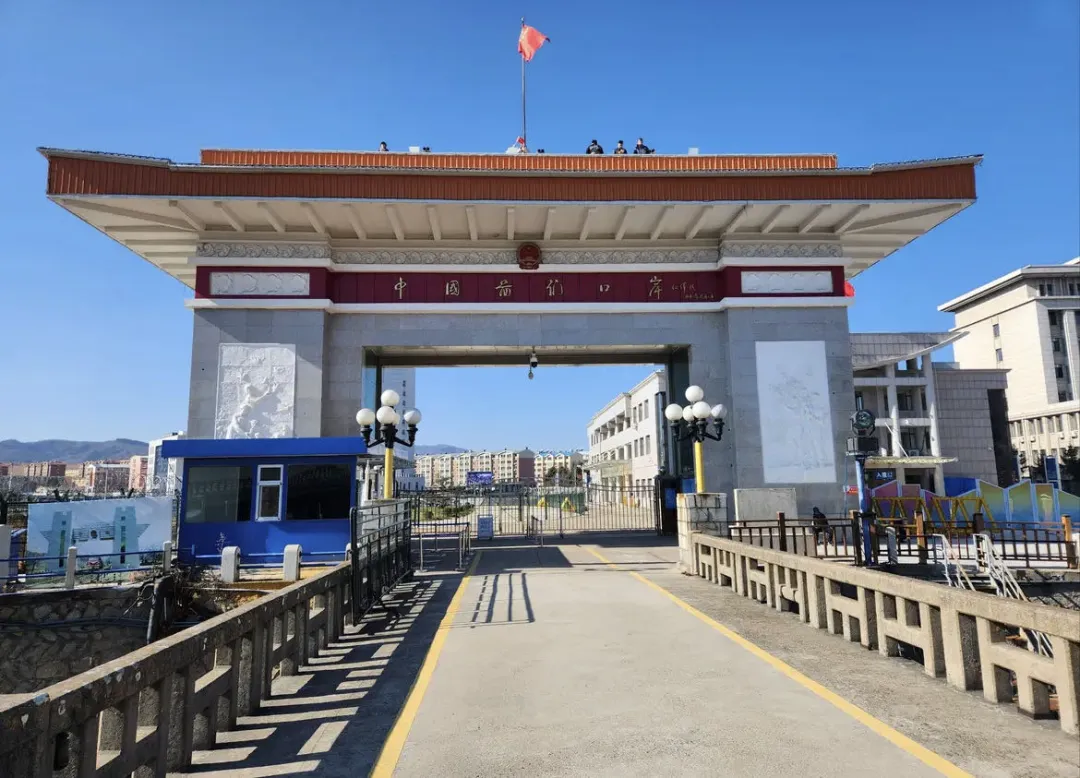
One river divides two countries. On one side the busy everyday life of a small town; on the other, a foreign landscape within arm’s reach — the solemn stillness of a frontier.
Yanji
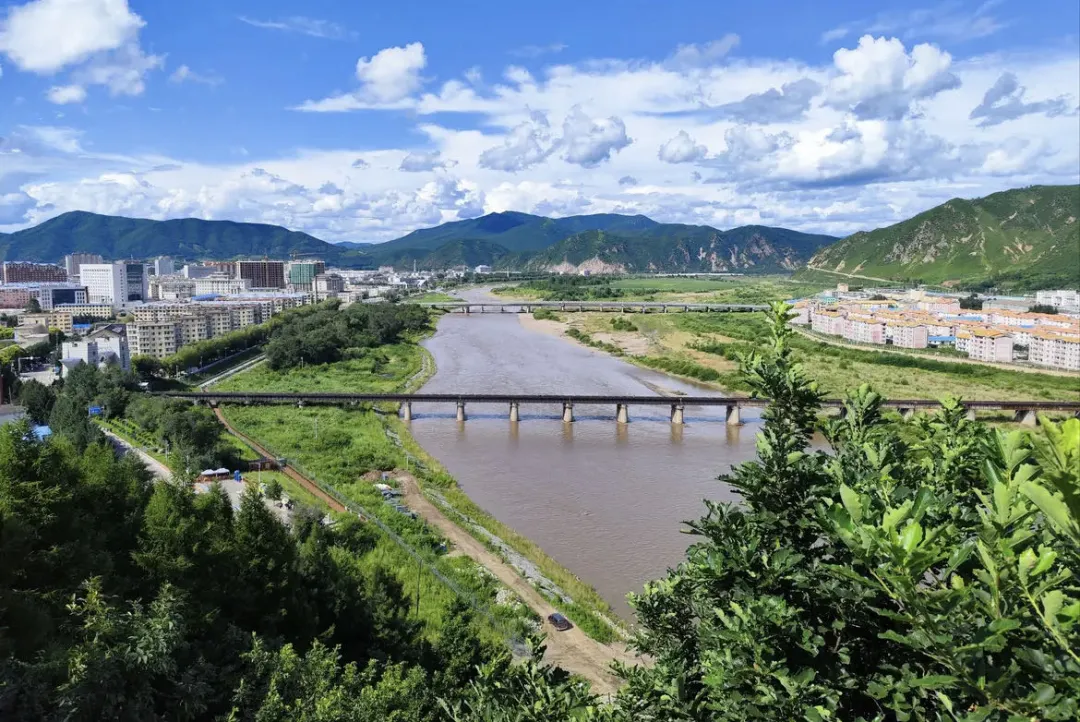
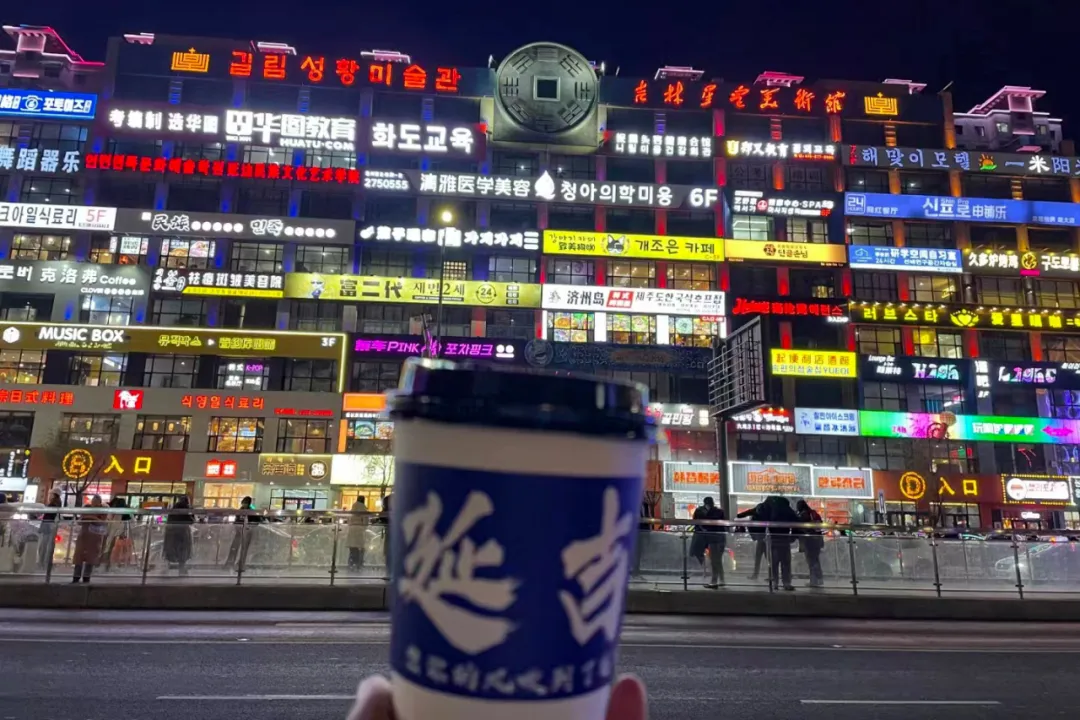
Step into Yanji and a rich Korean-style atmosphere washes over you: colorful streets, authentic Korean food, folk culture — every corner a photo spot.
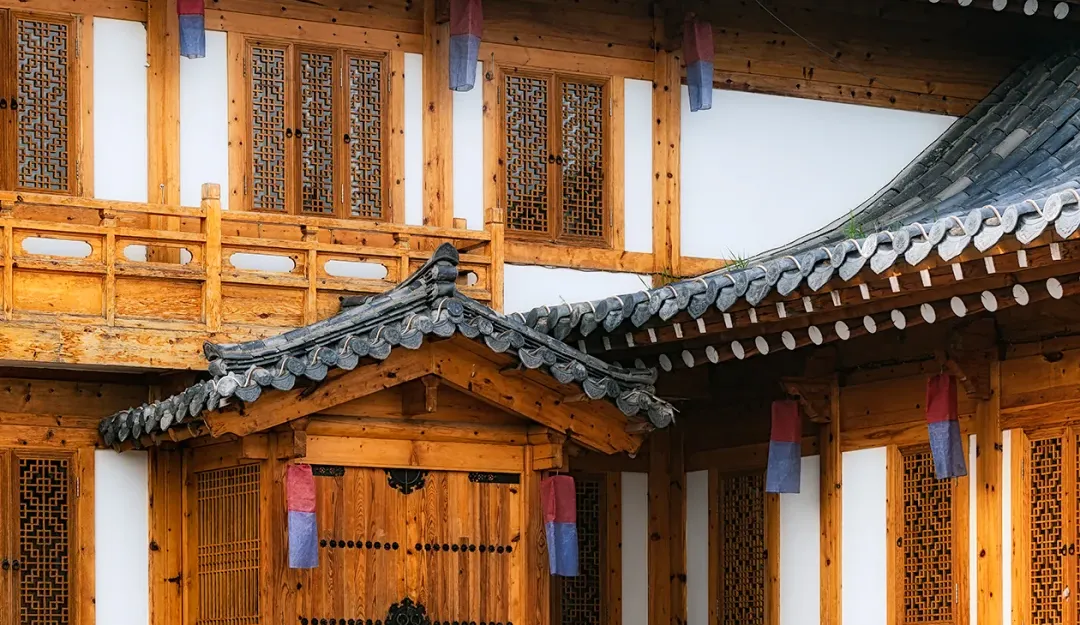
Korean Folk Village
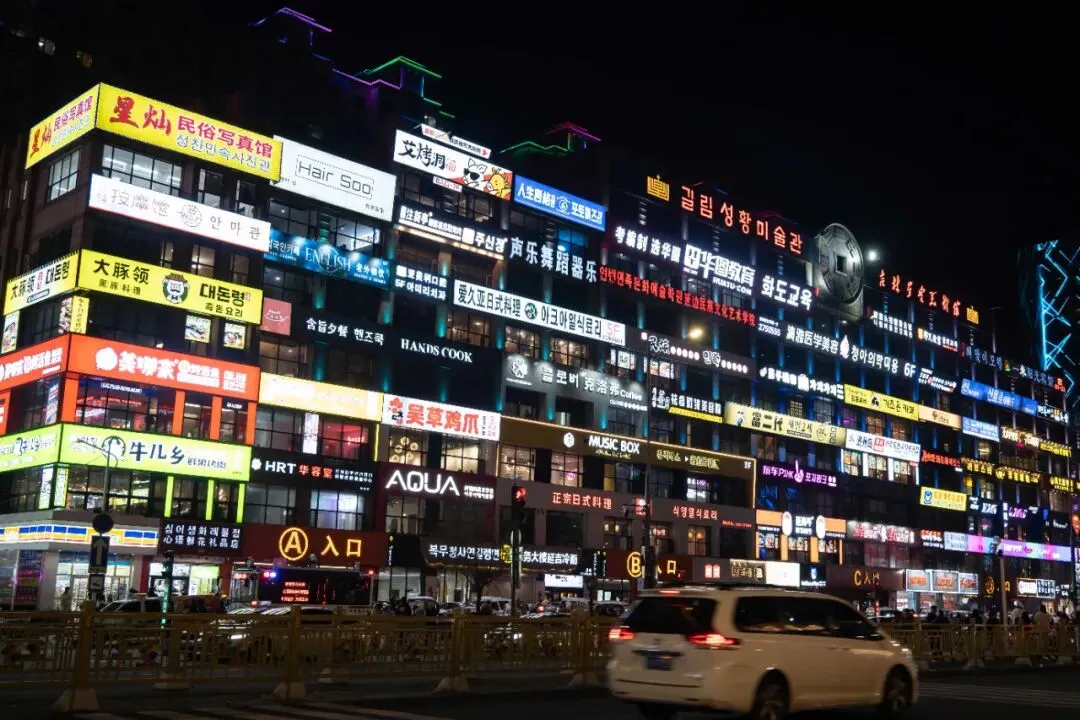
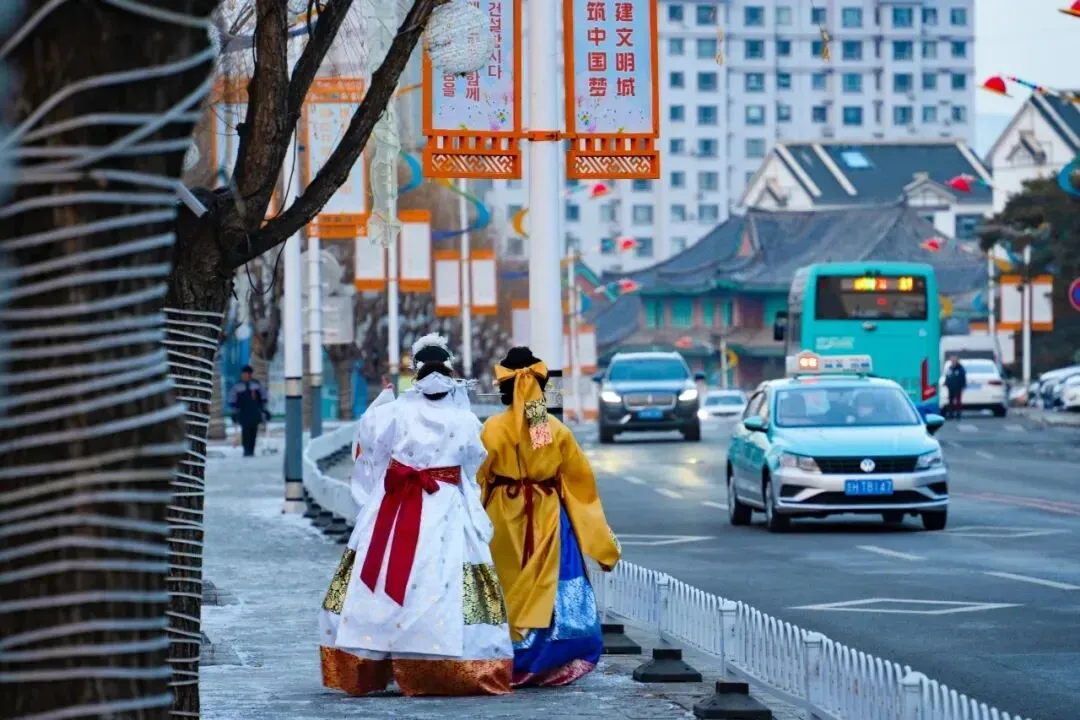
Blue tiles, white walls, wooden windows and red eaves — no need to cross a border to immerse yourself in ethnic Korean traditions.
Changbai’s small towns
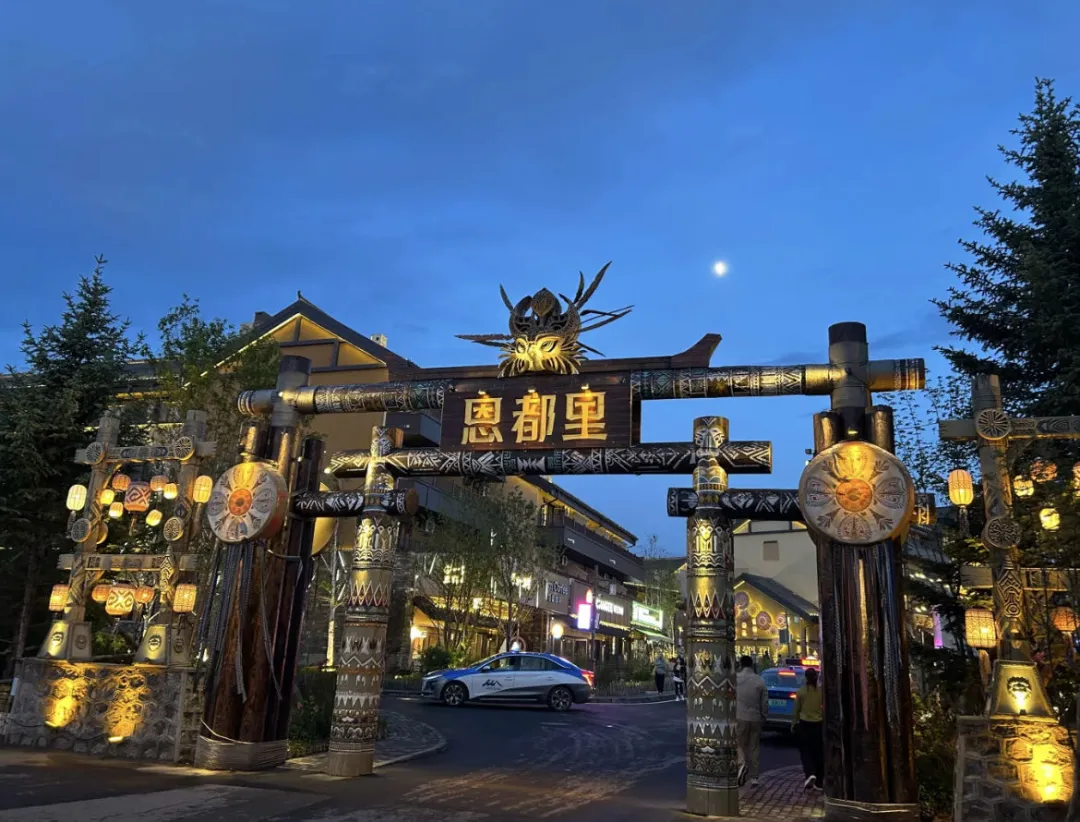
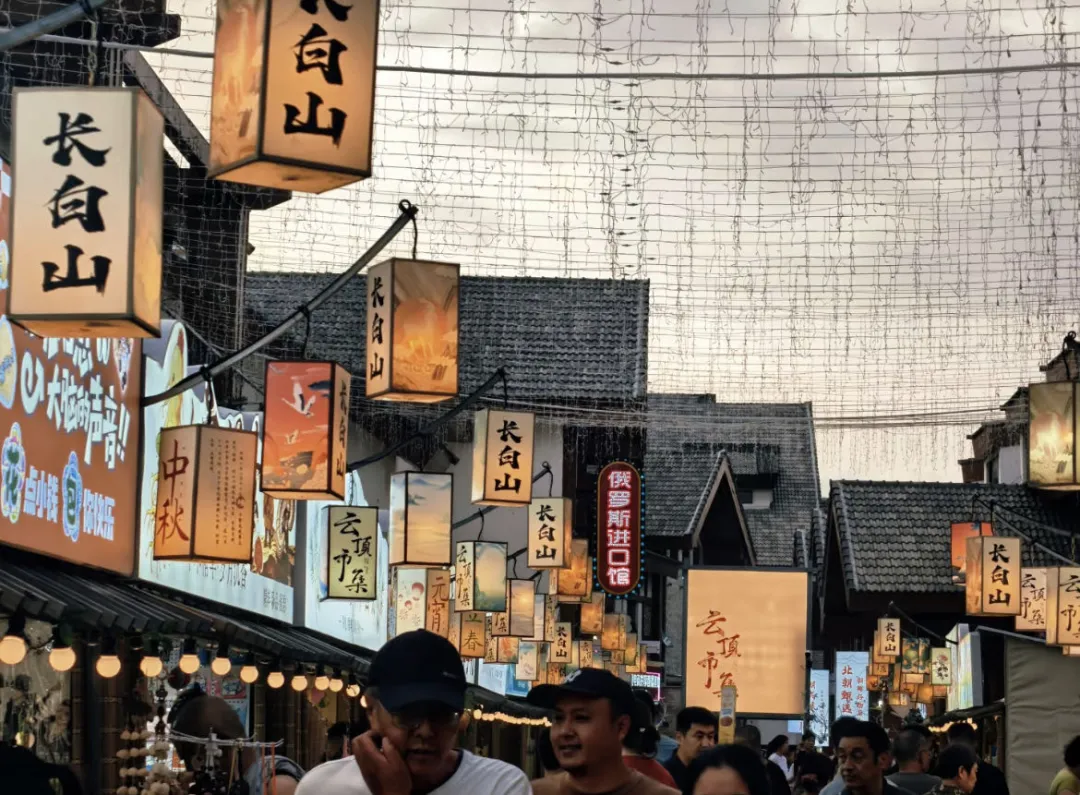
At the foot of the mountain, towns like Erdaobaihe (Enduli) and the Yunding evening market add a gentle, everyday warmth between forest drives.
What does the full 20-day route look like at a glance?
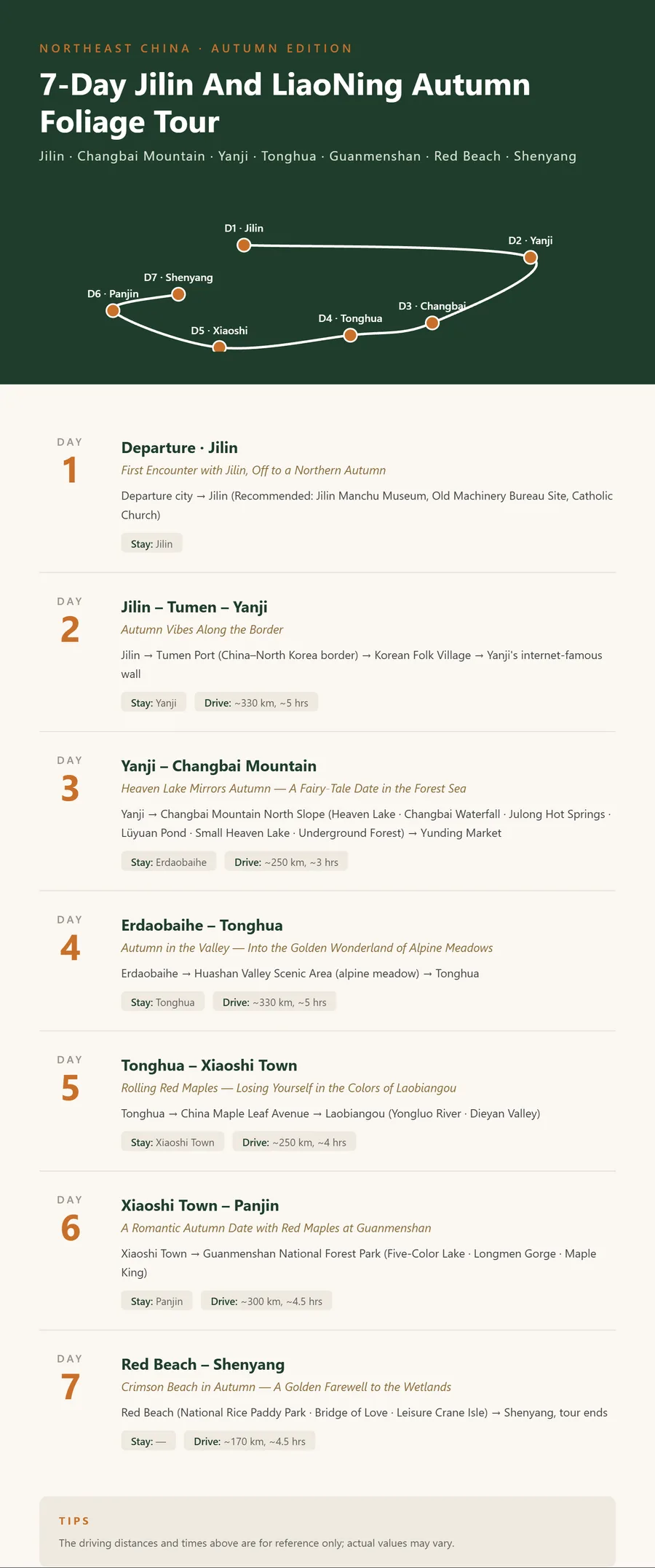
The classic loop runs Jilin City → border towns → Changbai → Liaoning maple country → coast → Shenyang:
| Days | Route | Base for the night | Drive |
|---|---|---|---|
| D1 | Departure city → Jilin City (Manchu Museum, Old Machinery Bureau, Catholic Church) | Jilin | — |
| D2 | Jilin → Tumen Port (China–North Korea border) → Korean Folk Village → Yanji’s internet-famous wall | Yanji | ~330 km / 5 h |
| D3 | Yanji → Changbai Mountain North Slope (Heaven Lake, Changbai Waterfall, Julong Hot Springs, Green Deep Pool, Small Heaven Lake, Underground Forest) → Yunding Market | Erdaobaihe | ~250 km / 3 h |
| D4 | Erdaobaihe → Huashan Valley (alpine meadows) → Tonghua | Tonghua | ~330 km / 5 h |
| D5 | Tonghua → China Maple Avenue → Laobiangou (Yongluo River, Dieyan Valley) | Xiaoshi Town | ~250 km / 4 h |
| D6 | Xiaoshi → Guanmen Mountain National Forest Park (Five-Color Lake, Longmen Gorge, Maple King) | Panjin | ~300 km / 4.5 h |
| D7 | Red Beach (National Rice Paddy Park, Bridge of Love, Crane Isle) → Shenyang, tour ends | — | ~170 km / 4.5 h |
Fly open-jaw into Changchun or Shenyang to skip backtracking — and if the National Day window is your target, lock flights and mountain lodging the day sales open:
Check flights into Changchun / Shenyang →
Driving distances are reference values; actual times vary with season traffic.
Background reading: Changbai Mountains and Benxi — Wikipedia (accessed Sept 2026).
Timing rule of thumb: Changbai colors peak late September to October 10; Benxi maples peak around frost’s descent (late October); Red Beach is reddest late September to mid-October. National Day week (Oct 1–8) hits the Changbai window exactly — book trains and mountain lodging the day sales open, or expect to be based an hour away.