What Do You Eat in Xi'an? Street Food Guide
Published 2026-09-21 · Updated 2026-10-26 · Essentials
TL;DR
A: Order these first: roujiamo (braised-meat 'burger'), paomo (bread you tear yourself into mutton soup), biangbiang noodles (belt-wide, chili-oil-splashed), suan tang shuijiao (sour soup dumplings) and a hulatang breakfast bowl. Eat them on Sajinqiao and the lanes off the Muslim Quarter's main street — same food, half the price of Beiyuanmen. The classic day costs $11–16 (¥80–120): $2 hulatang breakfast, $3 'Three Qin' set (roujiamo + liangpi + Bingfeng orange soda) at lunch, $4–6 grazing Sajinqiao at night. Cash is dead; Alipay or WeChat Pay everywhere.
What’s the short answer?
Xi’an runs on wheat and mutton fat. This is the carbohydrate capital of China — bread torn into soup, bread stuffed with braised meat, belt-wide noodles hit with smoking chili oil — and nearly all of it comes from the Hui Muslim quarter inside the old walls, where griddles fire up before 07:00 and the smoke drifts until midnight. You don’t need fancy restaurants; you need two street names and an ordering system. The two streets: Sajinqiao (洒金桥), where locals eat, and Dapiyuan (大皮院) / Xiyangshi (西羊市), the lanes one block off the touristy Beiyuanmen strip. The system: small portions, many stalls, cash-free — mobile pay only. Budget $11–16 a person a day and you will struggle to finish.
Which dishes define Xi’an?
| Dish | What it actually is |
|---|---|
| Roujiamo (肉夹馍) | Xi’an’s answer to the burger: flatbread baked crisp outside, chopped braised pork (lazhi style, Han shops) or beef (Hui shops) scooped in. Order “youzhi (优质)” — premium, extra meat — about $2–2.50 (¥15–20) |
| Paomo (泡馍) | The ceremony: a hard flatbread you tear into chickpea-sized bits, handed to the kitchen, returned as mutton or beef soup. Locals call tearing the bread “the meal before the meal” — it takes 15 relaxed minutes |
| Biangbiang mian (biángbiáng面) | Belt-wide hand-pulled noodles, chili flakes and scallion on top, finished with a ladle of smoking oil. The character biang is so complex (56 strokes) no keyboard can type it |
| Suan tang shuijiao (酸汤水饺) | Sour-and-peppery soup dumplings — beef with chive, a dozen-plus to the bowl, vinegar-chili broth. The winter cure |
| Hulatang (胡辣汤) | The 07:00 bowl: viscous, peppery beef-marrow broth with meatballs and vegetables, eaten with a beef roujiamo. Xi’an’s meatball version is thicker than Henan’s |
| Liangpi / niangpi (凉皮/酿皮) | Cold wheat-noodle sheets in black-vinegar-and-chili dressing with sesame paste — the summer half of every lunch set |
| Zenggao (甑糕) | Sticky rice steamed with jujube dates and beans in a bronze pot, cut in slabs. Breakfast-only; sellers run out by noon |
| Bingfeng (冰峰) | The orange soda since 1953 that accompanies everything. $0.45 (¥3). If a shop doesn’t stock it, look sideways at the shop |
Which food street should you choose: Sajinqiao or Beiyuanmen?
Sajinqiao — it’s where Xi’an actually eats dinner; Beiyuanmen is the tourist edition with 30–50% markup.
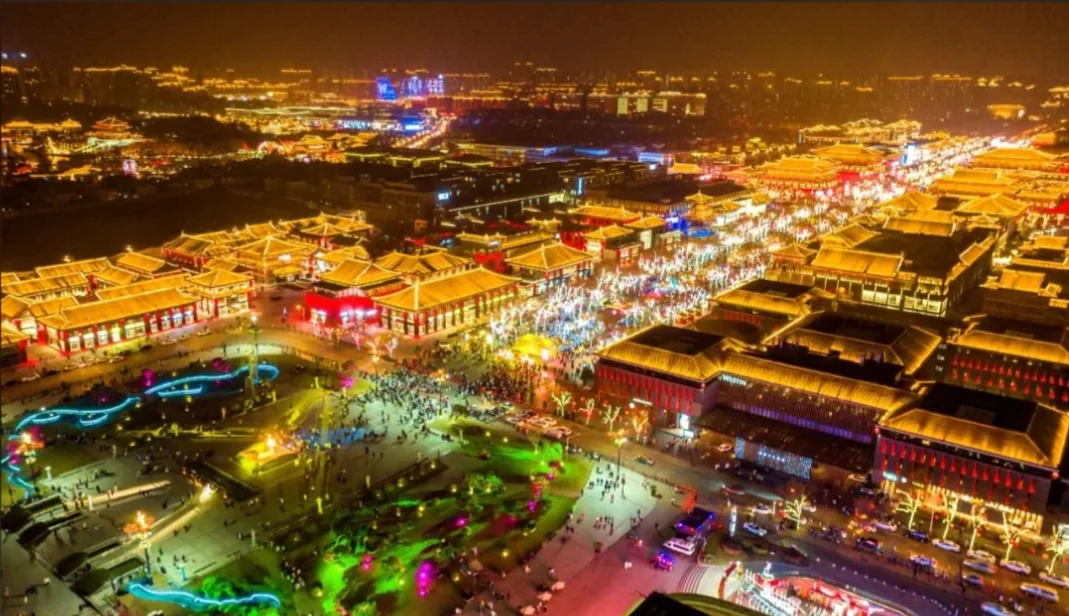
The “Muslim Quarter” (Huimin Jie, 回民街) most visitors mean is Beiyuanmen (北院门), the wide lantern-strung street from the Drum Tower — and it is the tourist edition: markup 30–50%, queue-act snacks, mixed quality. The real quarter is the grid behind it and the street a metro stop north:
- Sajinqiao (洒金桥) — the locals’ food street, Line 1, a straight lane of Hui family shops. This is where Xi’an eats dinner. (Metro: Line 1, Sajinqiao station.)
- Dapiyuan (大皮院) and Xiyangshi (西羊市) — the lanes one block in from Beiyuanmen; same cooks, smaller crowds, fairer prices.
- Beiyuanmen (北院门) itself — walk it once at night for the atmosphere. Photograph the Drum Tower, buy nothing you plan to eat seriously, and pivot 50 meters into a side lane when hungry.
Where do locals actually eat in Xi’an?
On Sajinqiao (the dinner mile), in the lanes behind Beiyuanmen, and at a handful of Han-quarter classics.
Sajinqiao — the dinner mile
- Liu Xin Paomo & Xiaochao (刘信牛羊肉泡馍小炒) — the paomo workshop: tear the bread fine, order the xiaochao (stir-fried paomo, the spicy reinterpretation) if one bowl must win. ~$4.50–6 (¥30–40).
- Ma Er Suan Tang Shuijiao (马二酸汤水饺) — one filling only: beef with chive. Do not ask for alternatives; the soup is the point. ~$2.50 (¥15–18).
- Lao Jin Jia Dancai Jiamo (老金家蛋菜夹馍) — the breakfast wildcard: fried egg, pickles, peanut butter and rose-petal sugar in griddled bread. Sounds wrong, works. ~$1 (¥7).
- Li Weiyi Rouwan Hulatang (李唯一肉丸胡辣汤) — the 07:00 institution; meatballs, root vegetables, pepper heat, gone by early afternoon. ~$1.20 (¥8–10).
- Zhiliang Guantang Zhengjiao (志亮灌汤蒸饺) — soup dumplings’ chiller cousin plus sweet eight-treasure congee (babao xifan). ~$3–4 (¥20–28).
The lanes behind Beiyuanmen
- Ding Jia Xiaosurou (定家小酥肉), Dapiyuan — slow-braised crispy beef over rice; the line moves fast. ~$3.50–4.50 (¥25–30).
- Sheng Zhiwang Majiang Niangpi (盛志望麻酱酿皮), Dapiyuan — the niangpi benchmark, heavy on the sesame paste; vacuum-packs to take home. ~$1.50–2 (¥10–15).
- Dongnanya Zenggao (东南亚甑糕), Xiyangshi — the jujube-rice slabs, morning only. ~$0.75–1.50 (¥5–10).
- Jia San Guantangbao (贾三灌汤包), Xiyangshi — the famous beef soup dumplings; touristy but reliable, good with eight-treasure congee. ~$4–5 (¥25–35).
Han-quarter classics (outside the Muslim streets)
- Qin Yu Roujiamo (秦豫肉夹馍), Dongmutouzhi — the lazhi pork original; famously cash-only and sold out before noon… in a city gone cashless, bring paper. ~$2 (¥15).
- Ziwu Lu Zhang Ji Roujiamo (子午路张记肉夹馍), multiple branches — the failsafe chain: roujiamo + liangpi + Bingfeng (“Three Qin set”) for ~$4 (¥25–28).
- Liu Xiang Mian (柳巷面), Jiqing Xiang — the beef-noodle queue near the Bell Tower; go at 14:30 or 21:00 to skip it. ~$3 (¥20).
- Chun Fasheng Hulutou Paomo (春发生葫芦头泡馍), Nanyuanmen — the Han paomo: pork-intestine soup for the brave, refined for 100 years. ~$7–8 (¥50–60).
What does a day of eating in Xi’an cost?
About $11–16 a person — and you will struggle to finish. The math:
| Meal | What | Cost |
|---|---|---|
| Breakfast | Hulatang + beef roujiamo | ~$2 (¥15) |
| Lunch | Three Qin set: roujiamo + liangpi + Bingfeng | ~$4 (¥25–28) |
| Afternoon | Zenggao slab or persimmon cake + sour-plum drink | ~$1.50 (¥10) |
| Dinner | Sajinqiao crawl: dumplings + niangpi + paomo shared | $4–6 (¥30–40) |
| Late night | Skewers + Bingfeng on Miaohoujie (庙后街) | $3–5 (¥20–35) |
Suanmeitang (酸梅汤) — the smoked-plum cooler — replaces water on chili days. Ask whether it’s house-made (zizhi de); the powder-mixed ones are thin. ~$0.75 (¥5).
How do you eat paomo? (the 5-step ceremony)
Tear the bread into chickpea-sized bits, hand it back, and eat from one edge inward — stirring the whole bowl is how locals clock tourists. The ceremony:
- Collect your hard flatbread and bowl at the counter; pay by scanning the QR — cash is genuinely unwelcome in most stalls now.
- Tear the bread into chickpea-sized bits — smaller cooks into the soup, larger stays chewy; your call, but even sizing matters most. This is the 10–15 minute social course: tea, conversation, thumbs.
- Hand the bowl back; the kitchen simmers it with mutton/beef slices, vermicelli and fungus in bone broth.
- Eat from one edge inward (“silkworm style”, canshi) with pickled garlic and chili paste on the side — stirring the whole bowl is how soup goes cloudy and locals clock tourists.
- Free soup top-ups at serious shops. Ask for jiatang (加汤).
What are the food traps in Xi’an?
The cut-cake vendor, the “free tasting” stall, and any “Xi’an Food City” near the Terracotta Army. All six, defused:
- Nuts-and-malt “cut cake” (xianggao, 切糕) vendors — glittering honey slabs cut to order. The price is per liang (50 g); one enthusiastic cut can land a $15–30 slab. Name your budget before the knife moves, or keep walking.
- “Free tasting” stalls — polite pressure follows the toothpick. Skip unless buying.
- Any “Xi’an Food City” near the Terracotta Army — bus-group cafeterias, frozen everything. Eat before the trip out or after the ride back; Sajinqiao is 70 minutes from the pits and worth the hunger.
- Biangbiang over $4 (¥28) — fair range is ¥15–25 a bowl. Big-number menus near tourist gates are paying rent, not cooks.
- Bingfeng lookalikes — the real bottle is orange glass, embossed logo, ¥3. Fakes ride tourist fridges.
- Souvenir “specialty” shops on Beiyuanmen — jujubes, persimmon cakes, walnuts at double supermarket price. The airport and downtown supermarkets (Renrenle, Vanguard) sell the same bags sealed, cheaply.
What cultural notes are worth knowing?
These are living Hui Muslim neighborhoods — eat respectfully, ask before photographing. The rest:
- These are living Hui Muslim neighborhoods: don’t bring pork products or outside food into halal shops, and ask before photographing cooks and families at work.
- The “Three Qin” set (roujiamo + liangpi + Bingfeng) is a real local order, not a marketing menu — it’s named for the three Qin kingdoms that became Shaanxi.
- Biang (biáng), the 56-stroke noodle character, exists for exactly one dish. Children learn it as a rhyme that begins “a dot flies to heaven, the Yellow River bends twice…” If a noodle shop has the character framed on the wall, you’re in the right place.
Related reading: the 3-day Xi’an itinerary routes these streets into Day 1 and Day 2 evenings — Sajinqiao is the planned dinner stop, and the wall’s South Gate ride ends a 10-minute walk from Beiyuanmen’s night lights. The Xi’an city guide covers where to stay between meals.
Prices are reference points collected Sept 2026; expect drift. Conversions at ~¥6.7 = US$1. Mobile payment (Alipay/WeChat Pay) rules the stalls — set it up before you land (see our payments guide).
Common questions
What food must you try in Xi'an?
Seven essentials: roujiamo (crisp flatbread stuffed with braised pork or beef, about ¥15/US$2), paomo (mutton soup over bread you tear yourself), biangbiang noodles (belt-wide with hot chili oil), suan tang shuijiao (sour-pepper soup dumplings), hulatang (the peppery 07:00 breakfast bowl with beef roujiamo), liangpi (cold wheat sheets in vinegar-chili) and zenggao (jujube sticky rice, morning only). Drink Bingfeng, the local orange soda since 1953 — ¥3 a bottle. The classic set is the 'Three Qin' combo: roujiamo + liangpi + Bingfeng for about ¥25/US$4.
Muslim Quarter or Sajinqiao — where should you actually eat in Xi'an?
Eat on Sajinqiao; walk Beiyuanmen for the atmosphere. Beiyuanmen (the lantern-strapped street from the Drum Tower) is the tourist edition of the Hui quarter — 30–50% markup and queue-bait snacks. The lanes one block in (Xiyangshi, Dapiyuan) and the street one metro stop north (Sajinqiao, Line 1 Sajinqiao Stn) are where Xi'an actually eats: Liu Xin paomo, Ma Er sour-soup dumplings, Li Weiyi hulatang and the morning zenggao sellers all live there. Rule of thumb: same dish, half the price, better version — walk 5 extra minutes.
Roujiamo types — which one should you order?
Three families: lazhi roujiamo (slow-braised pork, the Han classic — Qin Yu near the Bell Tower and the Ziwu Zhang Ji chain are the benchmarks), la niurou roujiamo (spiced beef, the Hui-quarter version you'll find around Sajinqiao and Dapiyuan), and dancai jiamo (fried egg, pickles and peanut butter — the ¥7 breakfast wildcard at Lao Jin Jia on Sajinqiao). Order 'youzhi' (premium, extra meat) at any lazhi shop; first-timers should start with pork lazhi at a Han shop, then compare the beef version in the Muslim quarter.
How do you eat paomo (Xi'an bread soup) correctly?
The ritual: take the hard flatbread, tear it into chickpea-sized bits (10–15 minutes — locals treat this as the social course; even sizing matters more than absolute size), hand the bowl to the kitchen, and it comes back simmered with mutton or beef in bone broth. Eat 'silkworm style' — from one edge inward, never stirring — with pickled garlic and chili paste on the side; stirring clouds the broth. Machine-cut bread is offered for tourists but absorbs less flavor. Serious shops top up the soup free ('jiatang'). If one bowl must win, order the xiaochao (stir-fried paomo) at Liu Xin on Sajinqiao.
Sources
- Tongshengxiang paomo technique — China Intangible Cultural Heritage Network — official · accessed 2026-10-26
- 12306 — official China Railway ticketing platform — operator · accessed 2026-10-26