What Are Chengdu's Five Classic Dishes?
Published 2026-09-15 · Updated 2026-10-26 · Essentials
TL;DR
A: Order these five first: mapo tofu (the soul of Sichuan cuisine), dandan noodles, Zhong shuijiao dumplings in sweet-chili oil, huiguorou twice-cooked pork, and fuqi feipian cold beef slices. Then go where locals go: an open-kitchen home-style canteen for the banquet feeling, a fresh-fish hotpot where you pick the fish live, a century-old rural teahouse for covered-bowl tea, and street-cart cakes in between. Can't handle the burn? Order the yuanyang divided pot.
What’s the short answer?
Chengdu is the source, not an imitator: this is where the flavors on every “Sichuan restaurant” menu abroad actually come from. The trick is ordering right. Start with the five canon dishes — they appear on every serious menu and they calibrate your palate. Then spend the rest of the trip in teahouses, home-style canteens and street-snack lanes, where the real eating happens. Can’t handle chili? Skip nothing — just order smart (see the spice survival section).
Which five dishes define Chengdu?
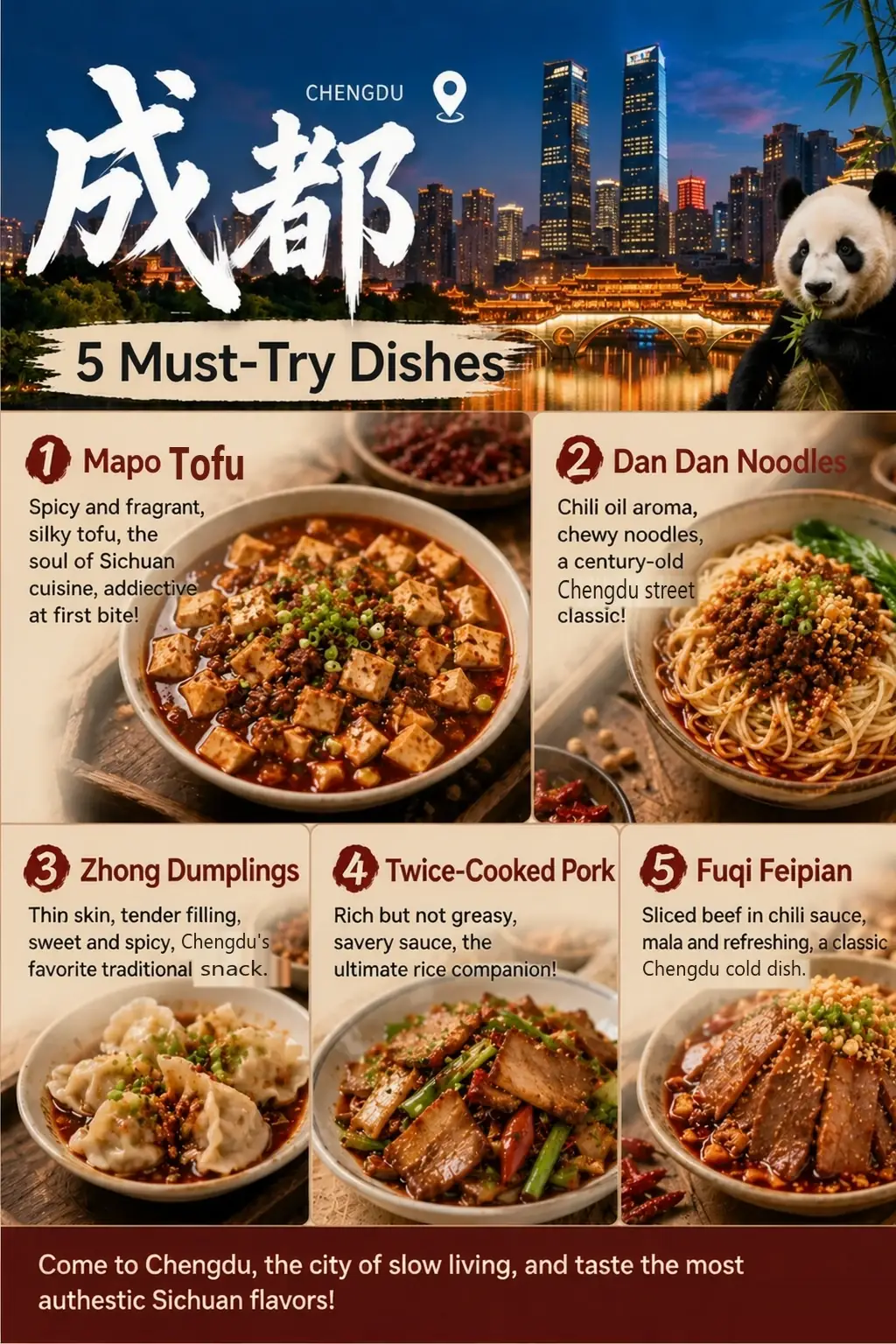
| Dish | What it actually is |
|---|---|
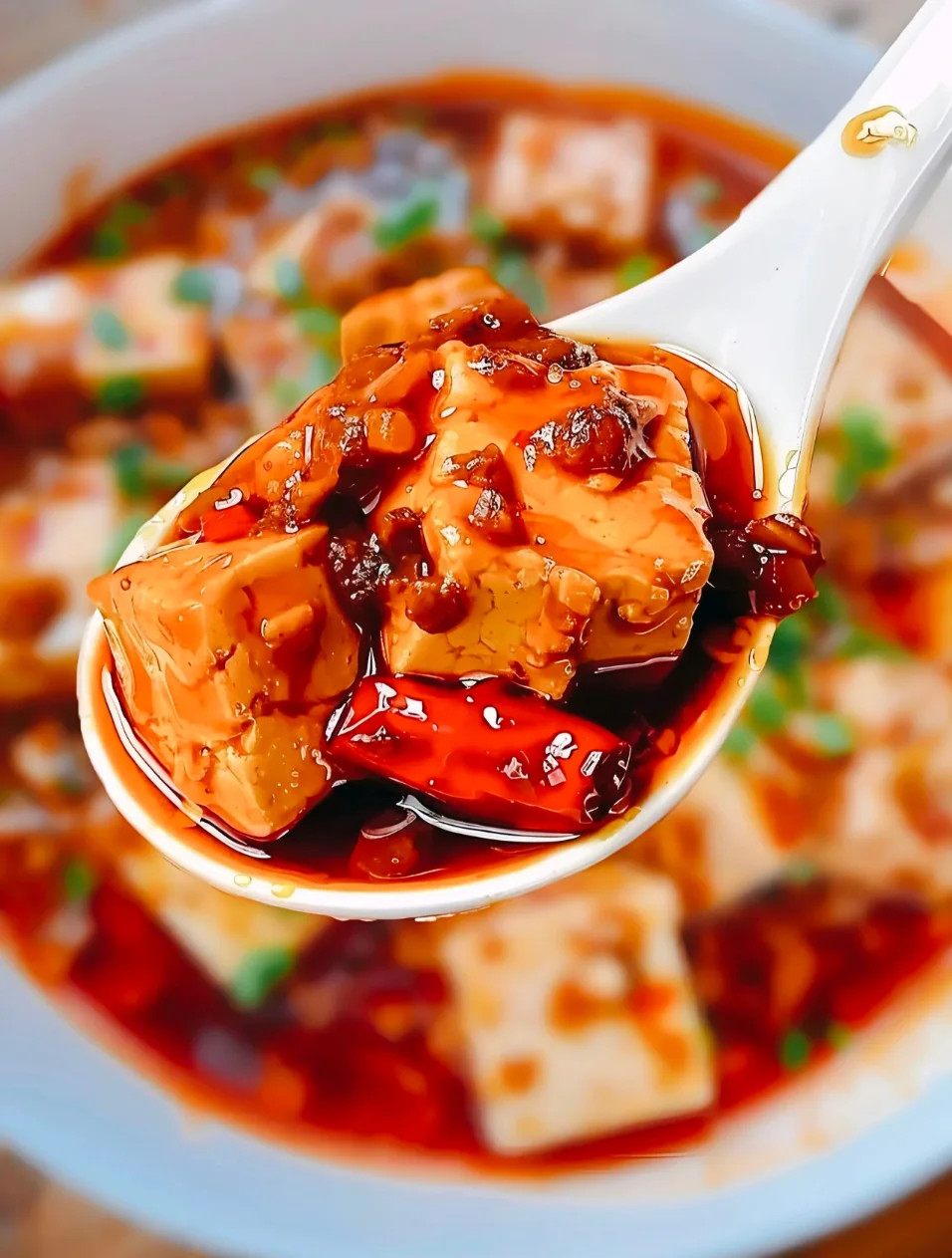
| Mapo tofu (麻婆豆腐) | Soft tofu cubes in a ferocious sauce of doubanjiang fermented bean paste and numbing huajiao pepper. Numbing, spicy, tender — the accepted soul of Sichuan cuisine. One bite and you understand the whole cuisine |
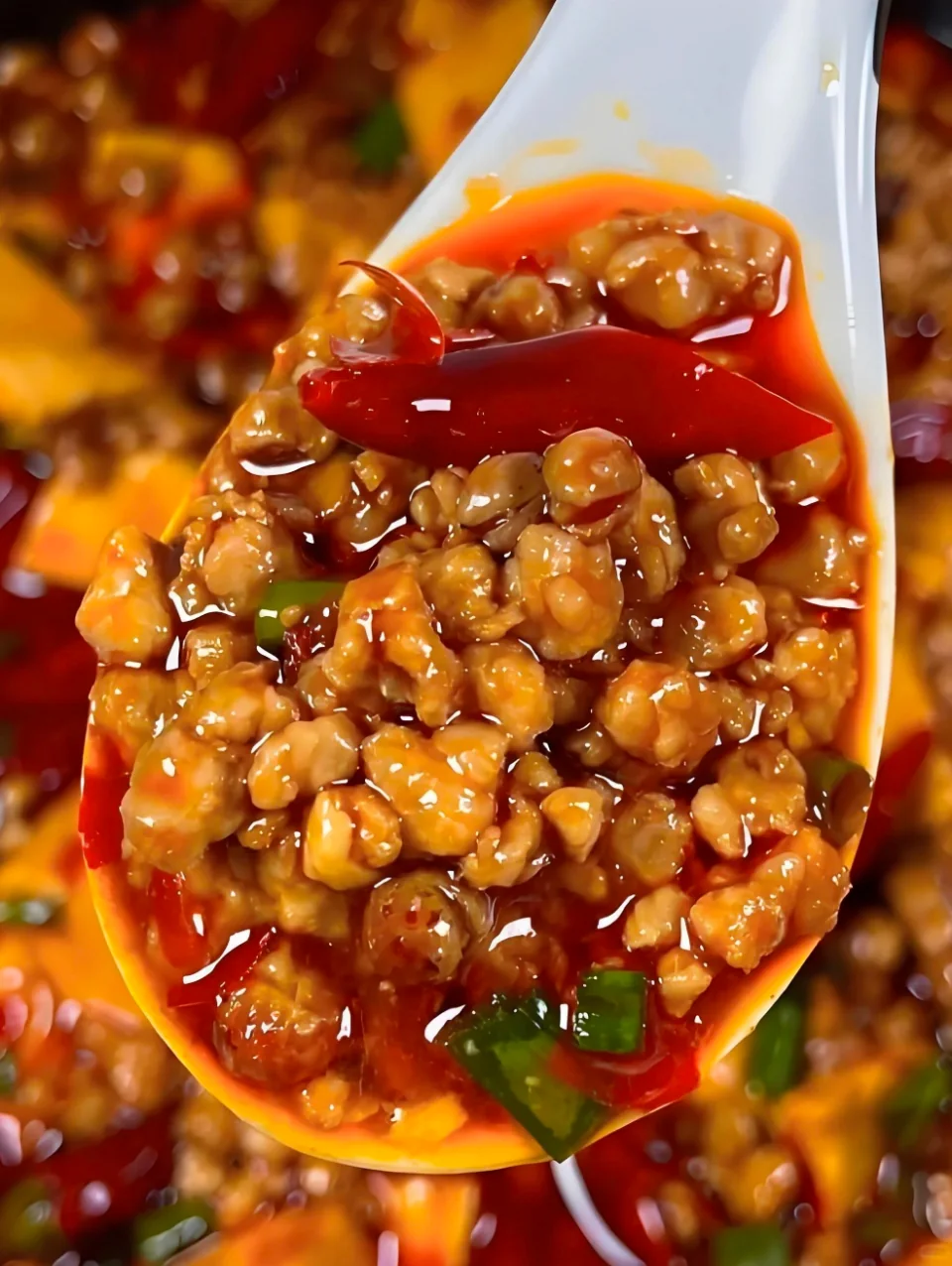
| Dandan noodles (担担面) | The century-old street classic: springy noodles under crispy minced pork, yaocai preserved vegetable and sesame-chili oil. Red oil fragrant, noodles with bite — the taste of old Chengdu streets |
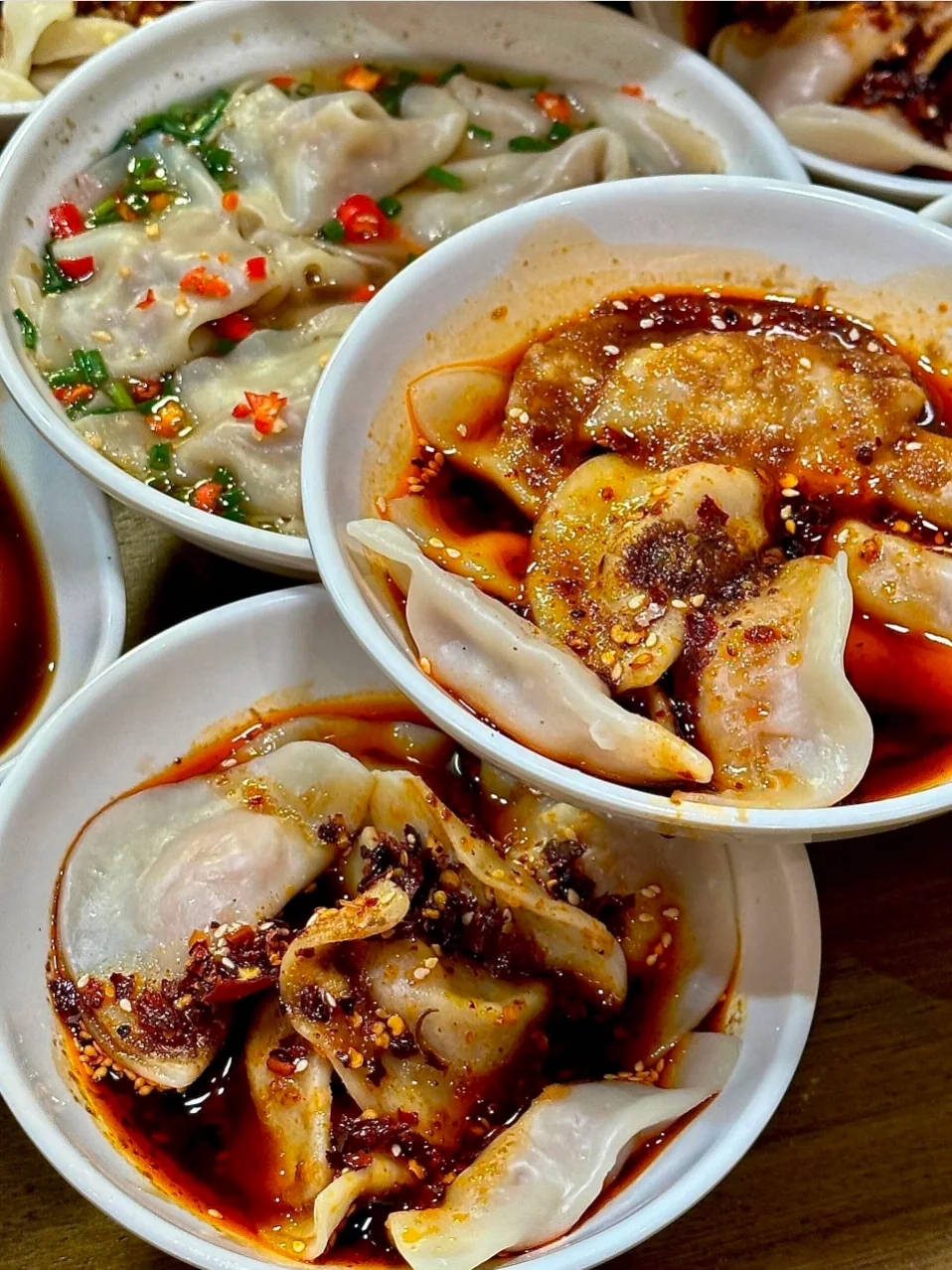
| Zhong shuijiao (钟水饺) | Dumplings with thin skin and juicy filling, drowned in a sweet-spicy chili oil with garlic. Chengdu’s favorite comfort snack — the sweet-savory chili combo is the signature |
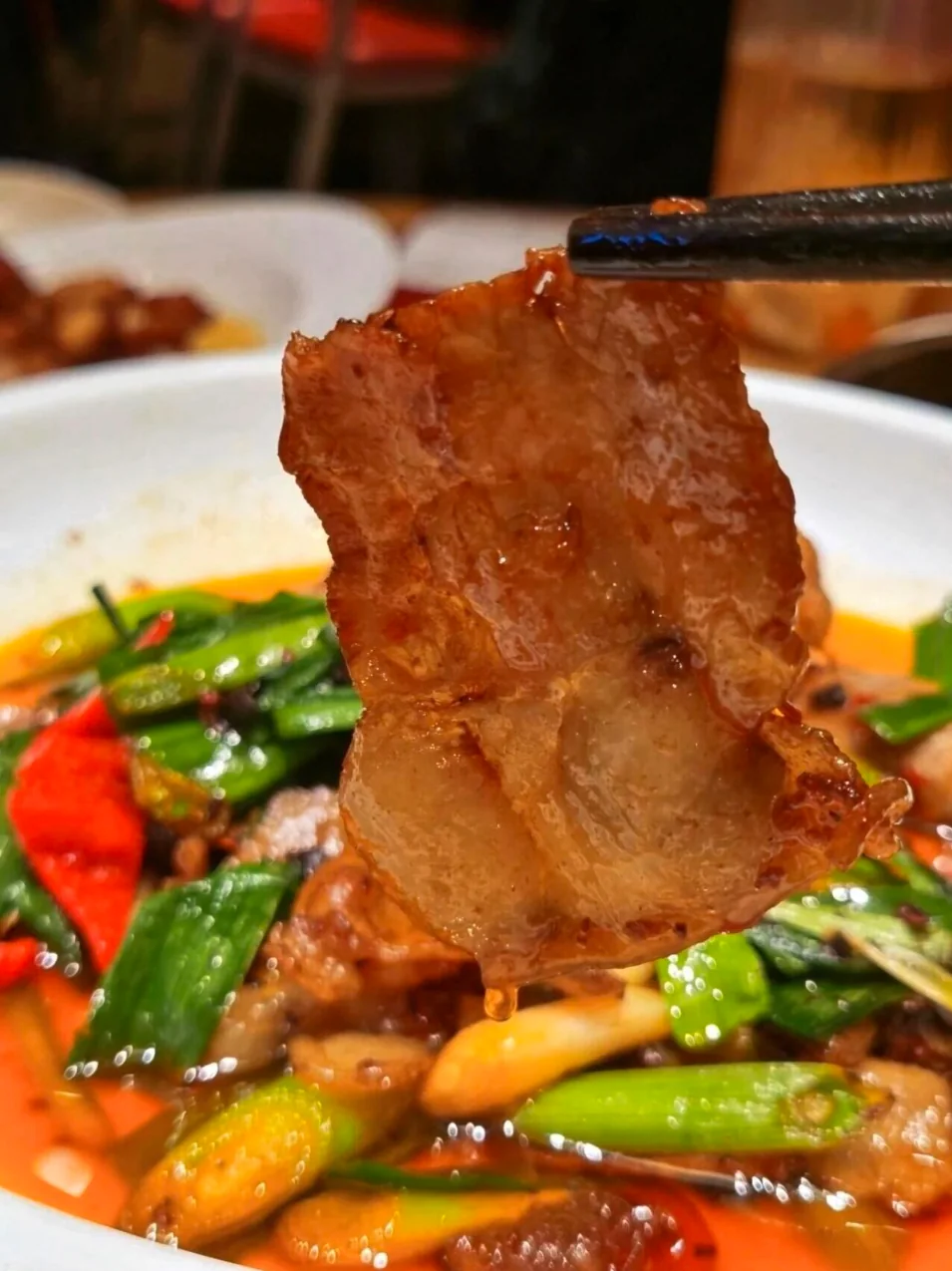
| Huiguorou (回锅肉) | Twice-cooked pork: boiled pork belly sliced and re-fried with leeks and doubanjiang. Fatty but never greasy, sauce-soaked, the undisputed “rice killer” — the ceiling of Sichuan home cooking |
| Fuqi feipian (夫妻肺片) | The classic cold starter: beef and offal sliced thin in chili oil with peanuts and sesame. Mouth-numbing and appetizing — order it first, it wakes the table up |
Where do locals actually eat in Chengdu?
At open-kitchen home-style canteens, a fresh-fish hotpot on the airport road, and a century-old rural teahouse — not at tourist-strip restaurants. The shortlist:
Ronghe Mama’s Kitchen, Yuanda branch (蓉和妈妈菜·远大店)
A Sichuan-Hunan home-style canteen that moves the family dinner table into a restaurant. Open kitchen — you order at the counter watching the chefs work the woks. The three orders that matter: garlic vermicelli shrimp (springy shrimp wrapped in garlic-soaked glass noodles), spicy braised chicken feet (stewed soft off the bone, the numbing level dialed exactly right), and dry-pot glutinous chicken wings (charred outside, sticky within — bring extra rice).
Youmingtang Fresh Fish Hotpot, Shuangliu (有茗塘鲜鱼火锅·双流店)
The fish hotpot worth a detour — and the location is convenient by accident: it sits right on the airport road, so it’s the perfect arrival or departure meal. Everything is selected live, slaughtered and sliced to order in view: premium silver carp, junbian fish, triangle peak, yellow catfish, whole fish heads. The cooked flesh is silky — one gentle bite and it dissolves, soaked in the broth. Beyond fish, the garlic bullfrog (plump, garlicky) and the QQ-bouncy konjac are table staples. Old folks and kids handle it fine.
Pengzhen Guanyinge Old Teahouse (彭镇·观音阁老茶馆)
Not a restaurant — the realest slice of slow Chengdu, an easy half-day trip from the city. Decades of local grandparents drink tea and gossip under sunbeams in old bamboo chairs against earthen walls. Order a covered-bowl tea (gaiwan cha), sit, do nothing. Come when the master performs the long-spout teapot ceremony — a meter-long copper spout poured in a martial-arts arc.
Xiandou cakes (仙豆糕)
The walking dessert: square little pastries pan-seared until the thin skin turns faintly charred and crisp, stuffed generously. The pork-floss mochi version stretches into strings when you pull it apart; the purple-sweet-potato cheese one is dense and just sweet enough. Fresh out of the pan the smell stops you in your tracks — perfect between sights.
How does Sichuan hotpot work?
A bubbling pot of chili-and-huajiao broth in the middle, plates of raw ingredients around it, cooked by you at the table — order the divided pot if you can’t handle the burn.
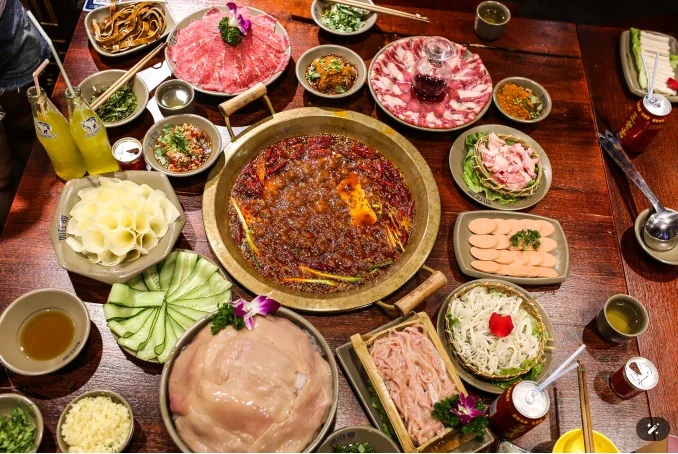
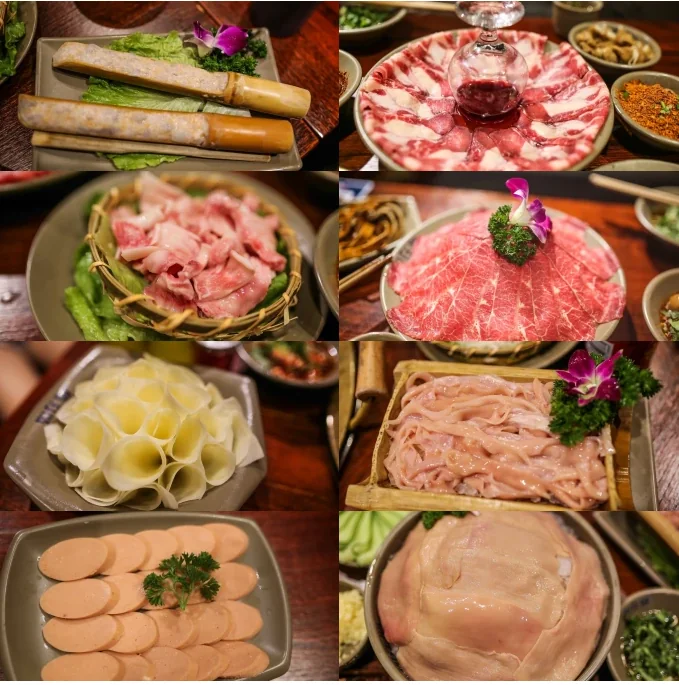
A full Sichuan hotpot is the festival meal: a bubbling pot of chili-and-huajiao broth in the middle, plates of raw beef, tripe, duck blood, duck intestine and vegetables around it, cooked by you at the table. The butter-based red broth smells extraordinary and bites hard.
Spice survival:
- Yuanyang pot (鸳鸯锅) — the divided pot with a bone-broth mild side. This is the standard foreigner order and nobody will blink. Note: even the “mild” side in a pure-Chongqing-style house can bite — in Chengdu it’s genuinely gentler.
- Sesame oil dip (油碟) — the classic cooling dip: sesame oil + minced garlic. Dip every bite; it genuinely tames the burn.
- Snack-ladder approach — if hotpot intimidates, build up: Zhong shuijiao → dandan noodles → mapo tofu → then hotpot.
- Keep a milk tea within reach, and know that the numbing (麻) fades faster than the burning (辣).
How should you structure a day of eating in Chengdu?
Street breakfast, street lunch, teahouse afternoon, hotpot or canteen dinner. The template:
- Breakfast: a bowl of dandan noodles or a steamed bun from any street shop
- Midday: Kuixinglou Street — eat street to street (maocai, egg cakes, grilled brain flower)
- Afternoon: Xiandou cakes + covered-bowl tea in a teahouse
- Dinner: the home-style canteen, or the full hotpot ceremony
- Late night: Yulin West Road — a small bar, folk music, one last skewer
Most of these stops sit directly on the Day 1–4 routes in our 5-day Chengdu itinerary — Kuixinglou Street is the official dinner stop of Day 1, and the teahouse habit slots into any afternoon. Choosing a base? The Chengdu city guide covers stay areas and arrival.
Background reading: Sichuan cuisine, Mapo tofu, Hot pot — Wikipedia (accessed Sept 2026).
Common questions
What are the must-try dishes in Chengdu?
Five classics define the table: mapo tofu (numbing-spicy tofu, the soul of Sichuan cuisine), dandan noodles (a century-old street noodle with sesame-chili oil and crispy minced pork), Zhong shuijiao (dumplings in sweet-spicy chili oil), huiguorou twice-cooked pork (the benchmark Sichuan home dish), and fuqi feipian (cold sliced beef and offal in chili oil). Beyond restaurants, seek out Kuixinglou Street for street food and the century-old Pengzhen Guanyinge teahouse for covered-bowl tea with a long-spout pouring ceremony.
Sources
- Chengdu — UNESCO Creative Cities Network (City of Gastronomy) — official · accessed 2026-10-26
- Sichuan cuisine — Wikipedia — secondary · accessed 2026-10-26